There comes a time when a Section Editor has to speak up. Here goes.
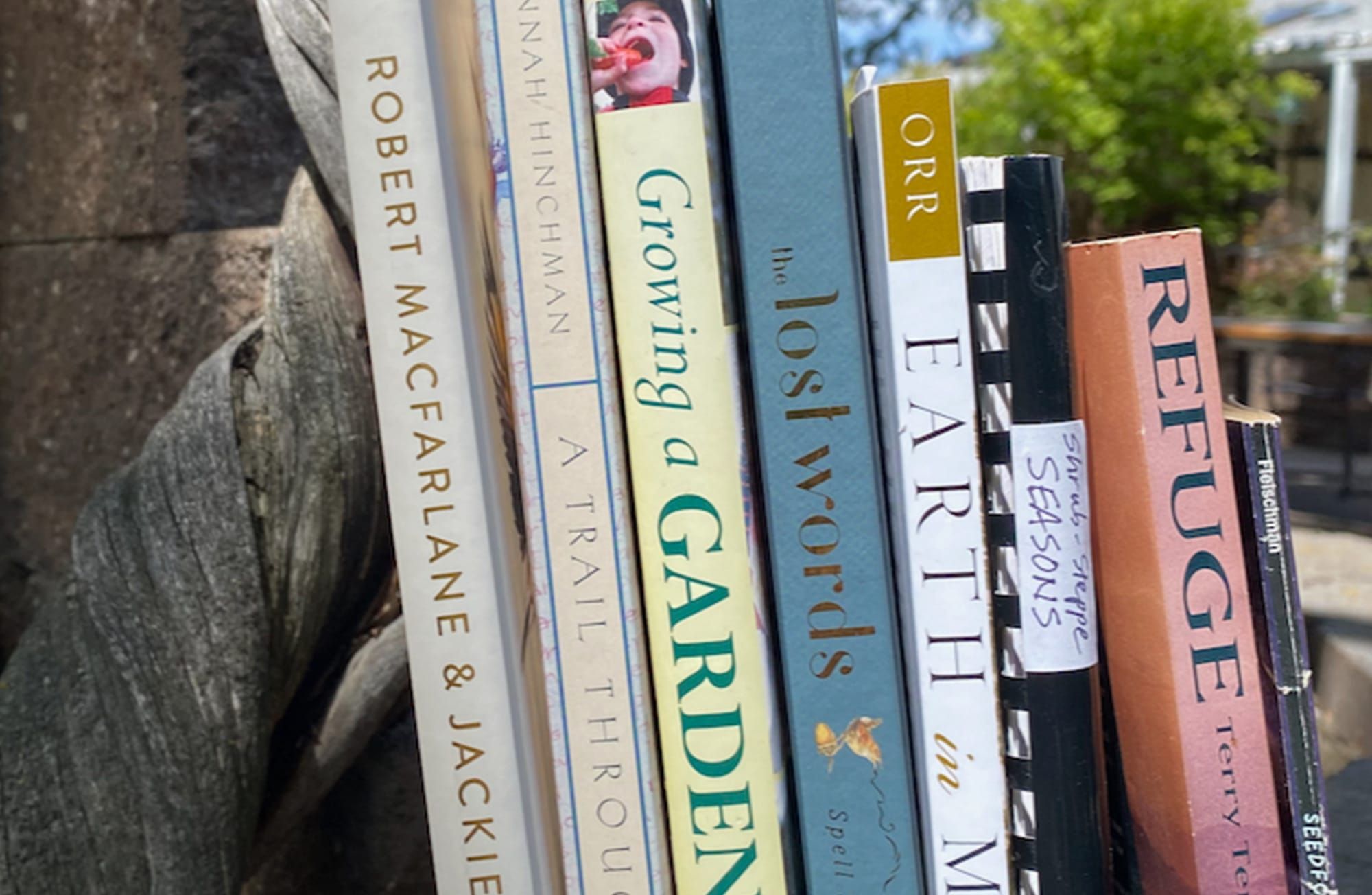
I invited local environmental stewards to share some of their favorite print resources with the Tumbleweird community. Everyone needs a good book, magazine, or guide to tuck into their summer adventure bag, right?
Frankly, it is a selfish pursuit, as I love love LOVE books and am always excited to find new reads. As I wait for my colleagues’ favorites, I’ll take the opportunity to shed light on a few of my go-tos. Poetry picks stand alone; they will be featured in a future column.
My current favorite eloquently describes my own teaching pedagogy developed over 30 years. Redemption? Perhaps. Someone who puts the pieces together so well deserves a mention.
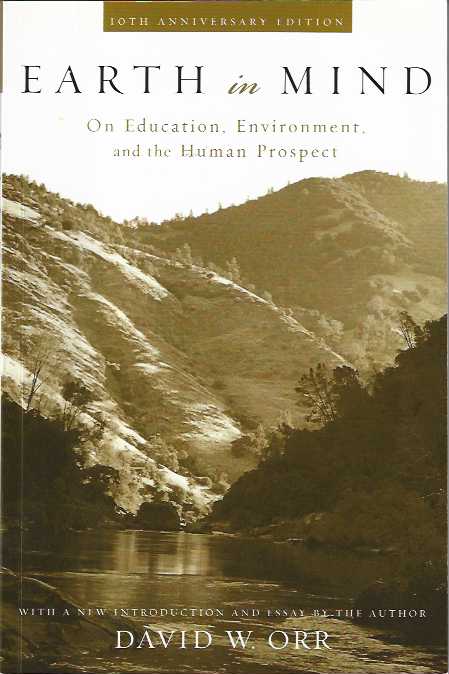
In Earth in Mind: On Education, Environment, and the Human Prospect, David Orr describes what every student, before graduation, needs to comprehend at a basic level:
- The laws of thermodynamics
- The basic principles of ecology
- Carrying capacity
- Energetics
- Least-cost, end-use analysis
- Limits of technology
- Appropriate scale
- Sustainable agriculture and forestry
- Steady-state economics
- Environmental ethics
He also lists skills that practically every student needs to develop the art of living well in a place:
- How to grow food
- How to build shelter
- How to use solar energy
- Knowledge of local soils, flora and fauna, and the watershed
As a 4th-, 5th-, and 6th-grade classroom teacher, I conducted countless field days with my students — full days outdoors in nature. Everyone recorded their perceptions (data collection, sketches, observations, questions) in field journals. Back in the classroom, referencing the contents of those journals, we routinely wrestled with the concepts in Orr’s list through discussions, labs, demos, and readings.
Had my students been able to spiral upward each year through curricula based on Orr’s list, imagine the intersectionality with civics, social studies, writing, economics, technology, and literature! Such context would have grounded their understanding of ecological systems as they moved into adulthood.
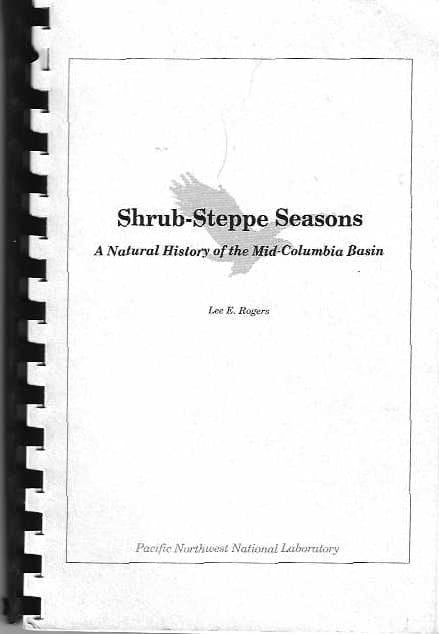
The stories contained in Shrub-Steppe Seasons were originally published as articles in “Natural History,” a monthly Tri-Cities Herald column (April ’91 – June ’95). Irene Hays, former Director of Science Education at PNNL (Pacific Northwest National Laboratory), envisioned Shrub-Steppe Seasons as a resource for students and newcomers to the area.
Lee Rogers, Storyteller Extraordinaire, managed to condense the best of what was known about the ecology of our region to a manageable length, minus technical language and terms. All of the stories derive from his experience with ecology research programs on the Fitzner/Eberhardt Arid Lands Ecology (ALE) Reserve on the flank of Rattlesnake Mountain. ALE, 120 square miles of pristine shrub-steppe habitat, provides the only local clear indication of what early trappers, traders, pioneers, and Tribal members may have encountered in their day-to-day activities.
Arranged by season, this is my reliable glimpse of what once was, and — with any luck at all — what our native plantscapes may, in part, restore for the good of all species. The quality of Rogers’ storytelling makes Shrub-Steppe Seasons rich content for teaching reading comprehension in science nonfiction. Heck, it’s some of the best bedtime read-aloud material that exists for kids of all ages.
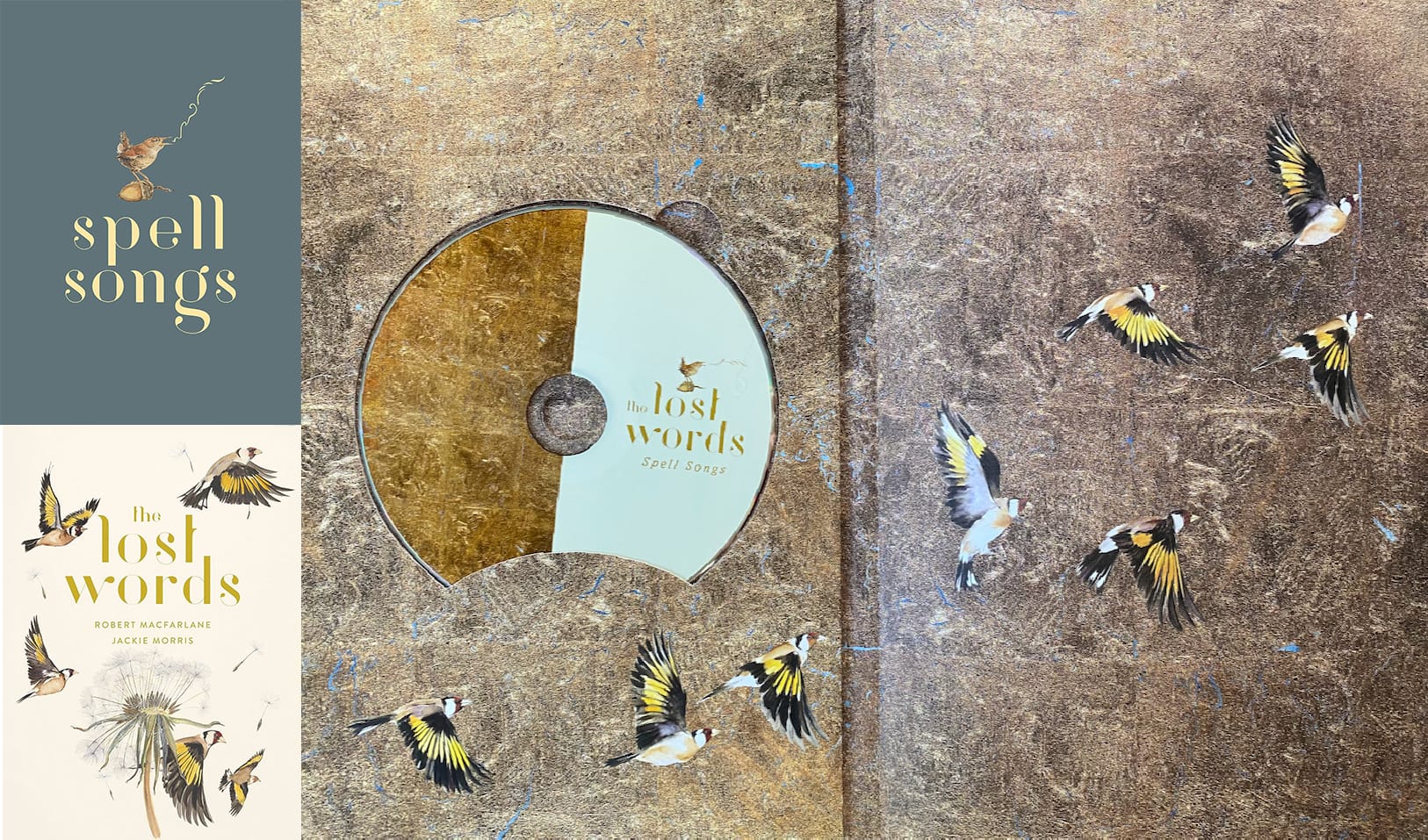
Spell Songs grew out of The Lost Words by Robert McFarlane and Jackie Morris.
If The Lost Words became a forest, then Spell Songs would be the birds in the trees.
Together, they deepen the experience of looking at and listening to the wild; each a companion to the other.
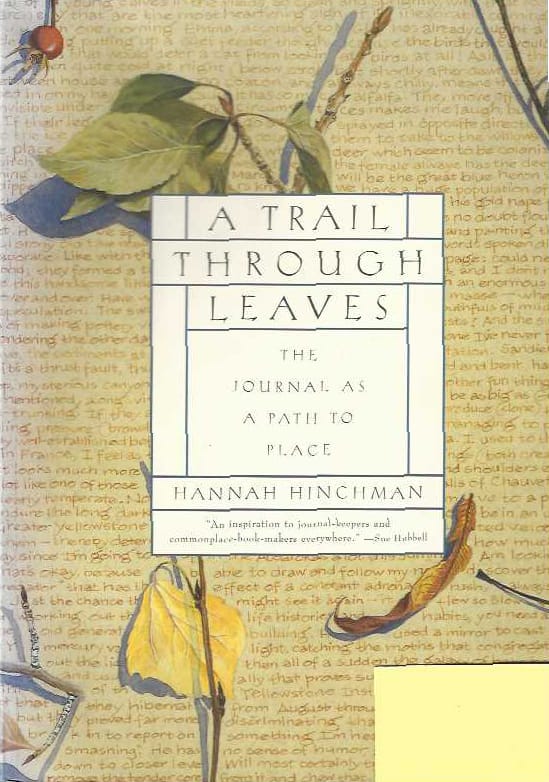
Looking for inspiration? Seeking a way to better understand what life dishes?
In A Trail Through Leaves, Hannah Hinchman narrates and illustrates how her many years of journal-keeping reveals her personal transformation. By recording her inner and outer life experiences, Hinchman developed a process that provides a powerful lens through which she has learned and grown.
“Transferring experience from the vat of life into the vessel of the journal is a distillation: it sieves, concentrates, and ferments. If after many seasons we develop some mastery of the process, the stuff can become as clear and fiery as brandy.”
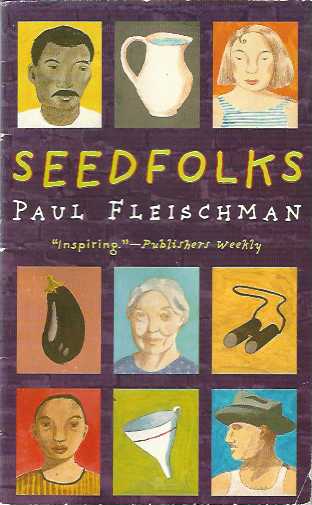
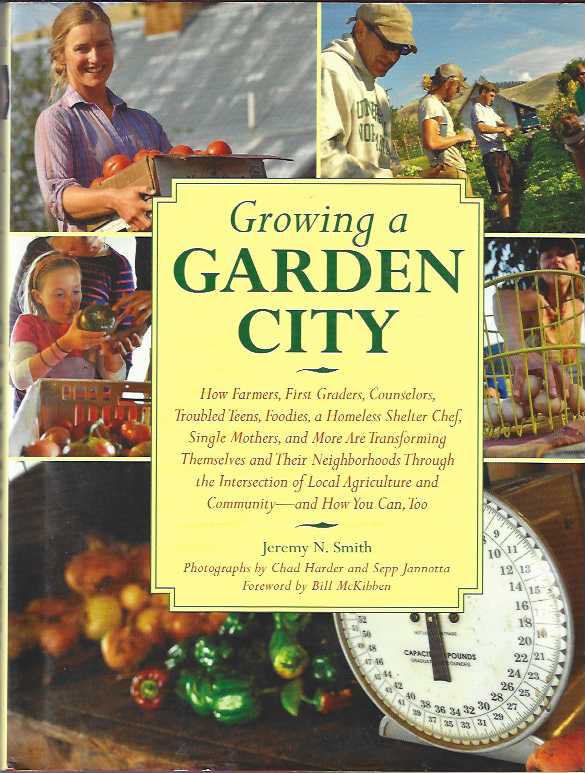
Do you know of a trash and weed-infested vacant lot nearby? Ever dream of turning it into a community garden?
Seedfolks is a short-yet-amazing story written for young readers that might inspire you to take action. Though it was written nearly thirty years ago, the story is timeless.
Growing a Garden City describes how growing food together, wherever you are on the planet, addresses poverty, addiction, and disconnection. Accounts of setbacks and successes paired with ‘how to’ sections make this a valuable resource for community builders everywhere.
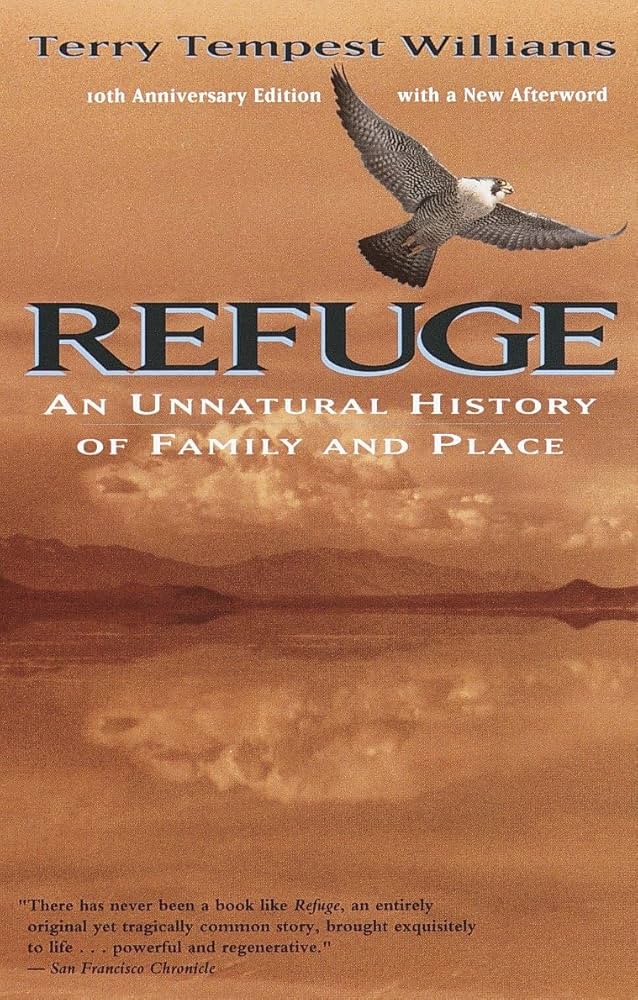
In Refuge, Terry Tempest Williams tells her story of loss through the lens of the environment of Great Salt Lake and its adjacent Bear River Migratory Bird Refuge. Thirty-six chapters, each named for a bird species of the area and denoted with the ever-changing lake level, lyrically flow with narratives of loss, change, and adaptation.
Mary Oliver’s poem ‘Wild Geese’ on the very first leaf of Williams’ book was all I needed to instantly bond with this work:
Wild Geese
You do not have to be good.
You do not have to walk on your knees
For a hundred miles through the desert, repenting.
You only have to let the soft animal of your body
love what it loves.
Tell me about despair, yours, and I will tell you mine.
Meanwhile the world goes on.
Meanwhile the sun and the clear pebbles of the rain
are moving across the landscapes,
over the prairies and the deep trees,
the mountains and the rivers.
Meanwhile the wild geese, high in the clean blue air,
are heading home again.
Whoever you are, no matter how lonely,
the world offers itself to your imagination,
calls to you like the wild geese, harsh and exciting --
over and over announcing your place
in the family of things.
— Mary Oliver
For over twenty years, I’ve volunteered with Friends of Mid-Columbia River Wildlife Refuges on refuge lands across the region, connecting people of all ages with nature. My deep appreciation for protected lands and their managers is boundless.
What I love about this book is that I can crack it anywhere, read for five or fifty minutes, and take away a renewed sense of the valuable mystery, the wonder of a simple natural phenomenon. Refuge is a salve for the spirit amidst the crazy churn of this life.
Open lands inspire open minds.
This is the open space of democracy.
Public lands are our public commons…
there we are free to roam and wander
and believe in what we see:
rock, water, sky…
These are places of peace and renewal,
where landscapes of beauty
become landscapes of our imaginations.
— Terry Tempest Williams
Jenny Rieke is a retired educator, a Teaching Artist, and an environmental advocate who loves the shrub-steppe. She is the Section Editor of Boots in the Basin, a coalition of local, environmentally-focused organizations.
Climate reading
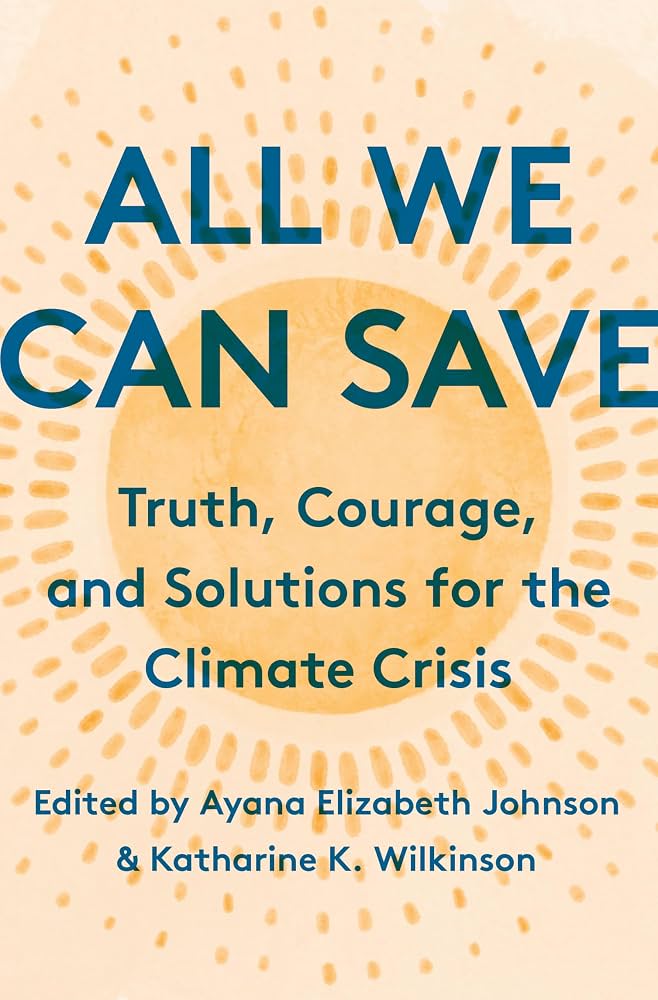
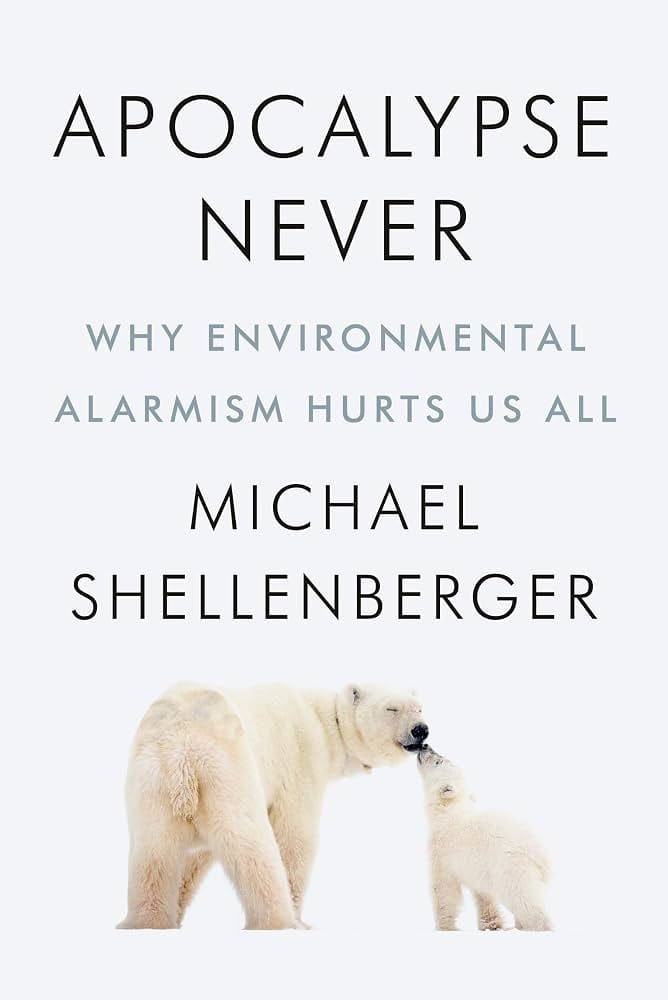
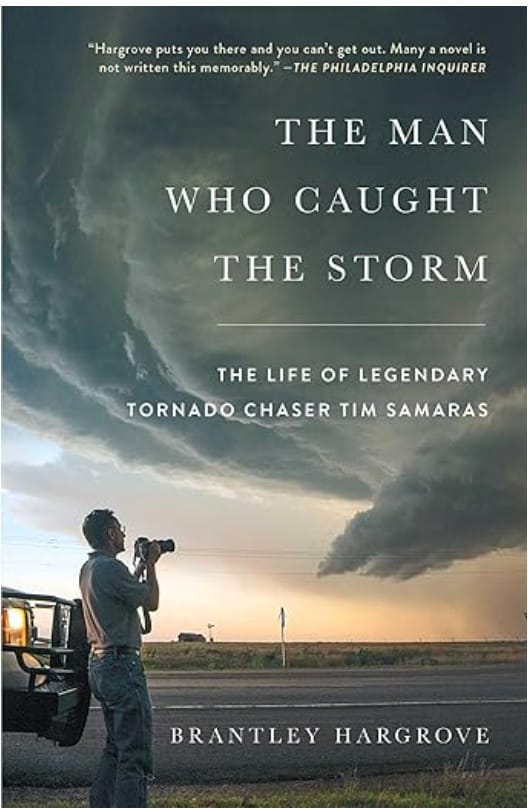
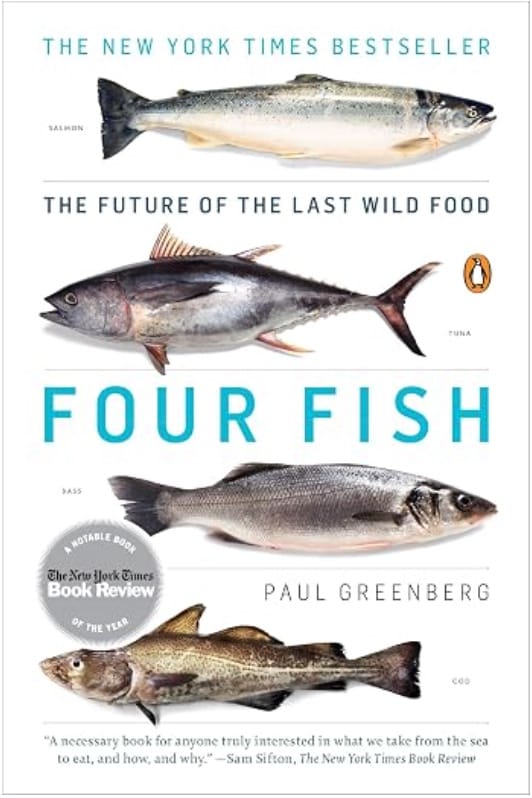
Here are some book reading recommendations from Debbie Muller, Sustainable Tri-Cities!
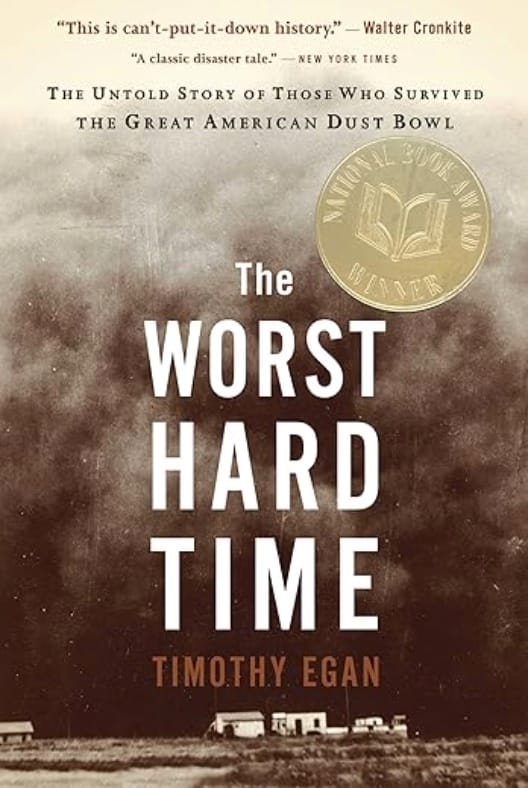
Also check out these blogs and newsletters:


Books for curious Earthlings
Mickie Chamness
I love to be outdoors, and am always curious about everything around me. It’s just so pleasant while walking to notice what’s around.
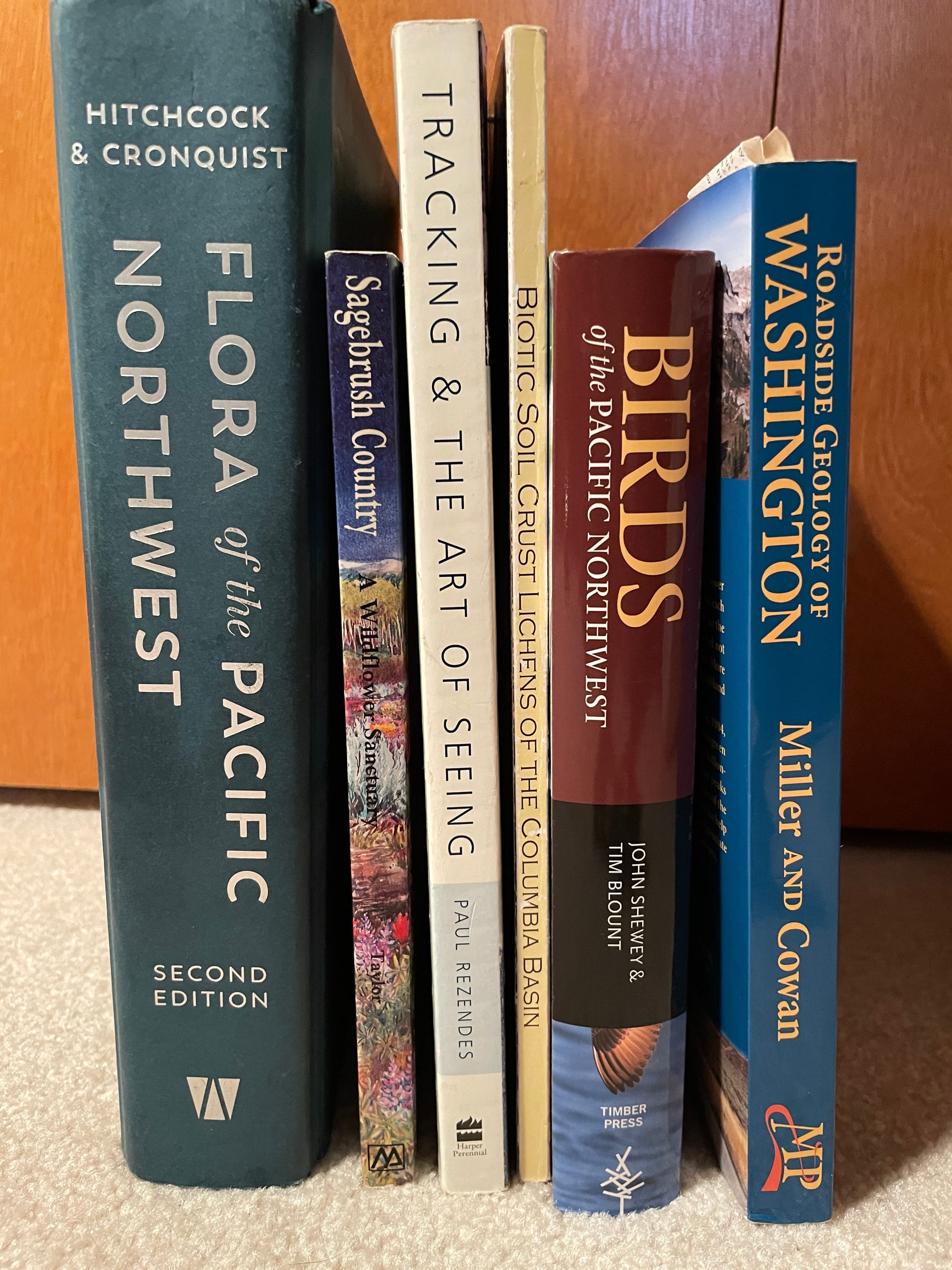
In the ’80s, I started as a geologist working in the Columbia Basin. Studying geology in college, learning how and why various types of rocks are located, was based on a new (at the time) concept, plate tectonics — not yet fully understood. So these Roadside Geology books help bring me up to date a little as I drive around the state.
While looking at the rocks for work, I started paying attention to the plants I was walking over. Sagebrush Country, a great resource for beginners, helped me discover local plants. Such beauty… and they’re able to live in some pretty harsh environments!
Over the years, I increased my stash of wildflower books to include the technical Flora of the Pacific Northwest, with its very scientific method of keying out plants (not for a beginner, for sure).
My work eventually included conducting ecological surveys on the Hanford site, learning on the job to document all the birds, animals, plants, and groundcover in specific areas.
Now I refer to Birds of the Pacific Northwest and Tracking and the Art of Seeing to help me identify animal tracks and birds when we’re out hiking or camping. Over time, my interest in the biological soil crust of lichens and mosses has grown, and I find books like Biotic Soil Crust Lichens of the Columbia Basin of great interest.
I don’t usually sit down to read these books; my great pleasure is to spend time looking at things in the wild. Then I consult the books afterward to figure out what I observed — who made those tracks or left that scat. Next, I think I’ll start learning more about insects.
Mickie Chamness, having worked on the Hanford site as a geologist, joined the Columbia Basin Chapter of the Washington Native Plant Society (CBWNPS) in 1996, and now serves as their Publicity Chair. She has over two decades of involvement with stewarding the shrub steppe. Mickie also participates in the Rare Care Program through the Washington Department of Natural Resources.
