
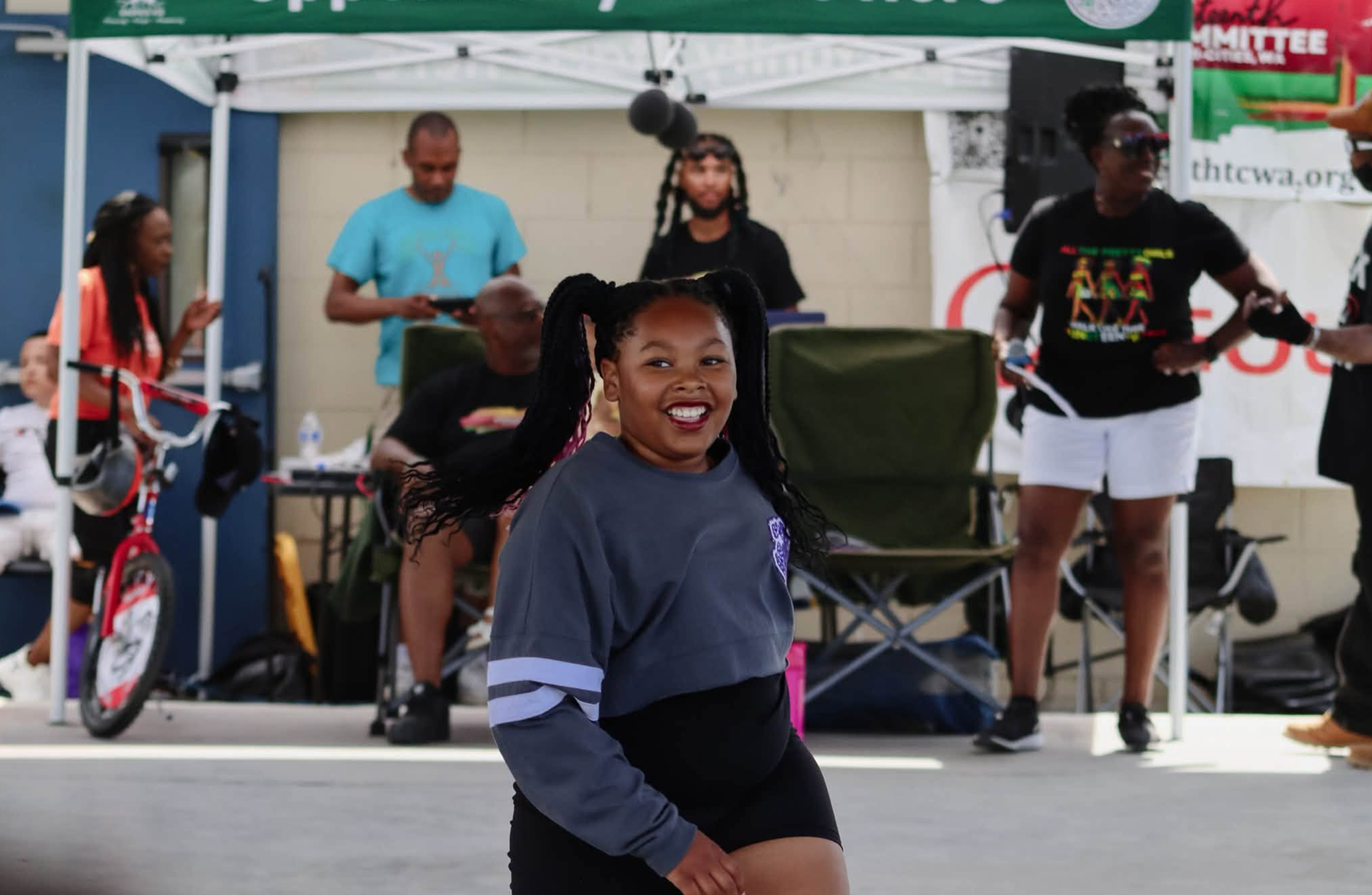
For 46 years, the Juneteenth Committee Tri-Cities, WA has worked to ensure that Juneteenth is recognized as more than a single day of celebration. Dedicated to commemorating the emancipation of enslaved African Americans, the committee honors Black history, culture, and achievements while promoting education, community unity, equity, and justice. Through cultural events, educational programming, and community partnerships, the organization encourages residents to reflect on the legacy of slavery, the ongoing pursuit of civil rights, and the importance of preserving African American history for future generations.
Charvella McGary, treasurer of the Juneteenth Committee, believes the committee carries an important responsibility in reshaping public understanding of Black history in a society where Black culture is often celebrated without full recognition of the history behind it.
“Our responsibility is to be visible, uplift, and inform,” McGary says. “To remind everyone that freedom is for everybody, and to uplift the community and beyond.”
For McGary, Juneteenth is not intended to be confined to a single day. Instead, she sees it as a year-round commitment to education and community engagement.
"We continue to hold events and educational experiences throughout June,” McGary says, pointing to the committee’s Columbia Basin College Planetarium program that explores Harriet Tubman’s journey along the Underground Railroad. “Juneteenth is a lifetime, and our intention is to bring information to the masses."
Preserving Black history in the Tri-Cities is deeply personal for McGary, whose family has spent generations serving the community. Her father came to the Tri-Cities from Texas at the age of seven; and together with her grandfather, aunts, and uncles, the family dedicated themselves to creating opportunities for others.
McGary shared that her father, Edmond Daniels, helped establish youth baseball programs in the Tri-Cities, intentionally beginning with girls because they so often lacked opportunities, especially back then. Although the baseball field he purchased was ultimately named after the white man who helped him, Alfred continued serving the community without recognition.
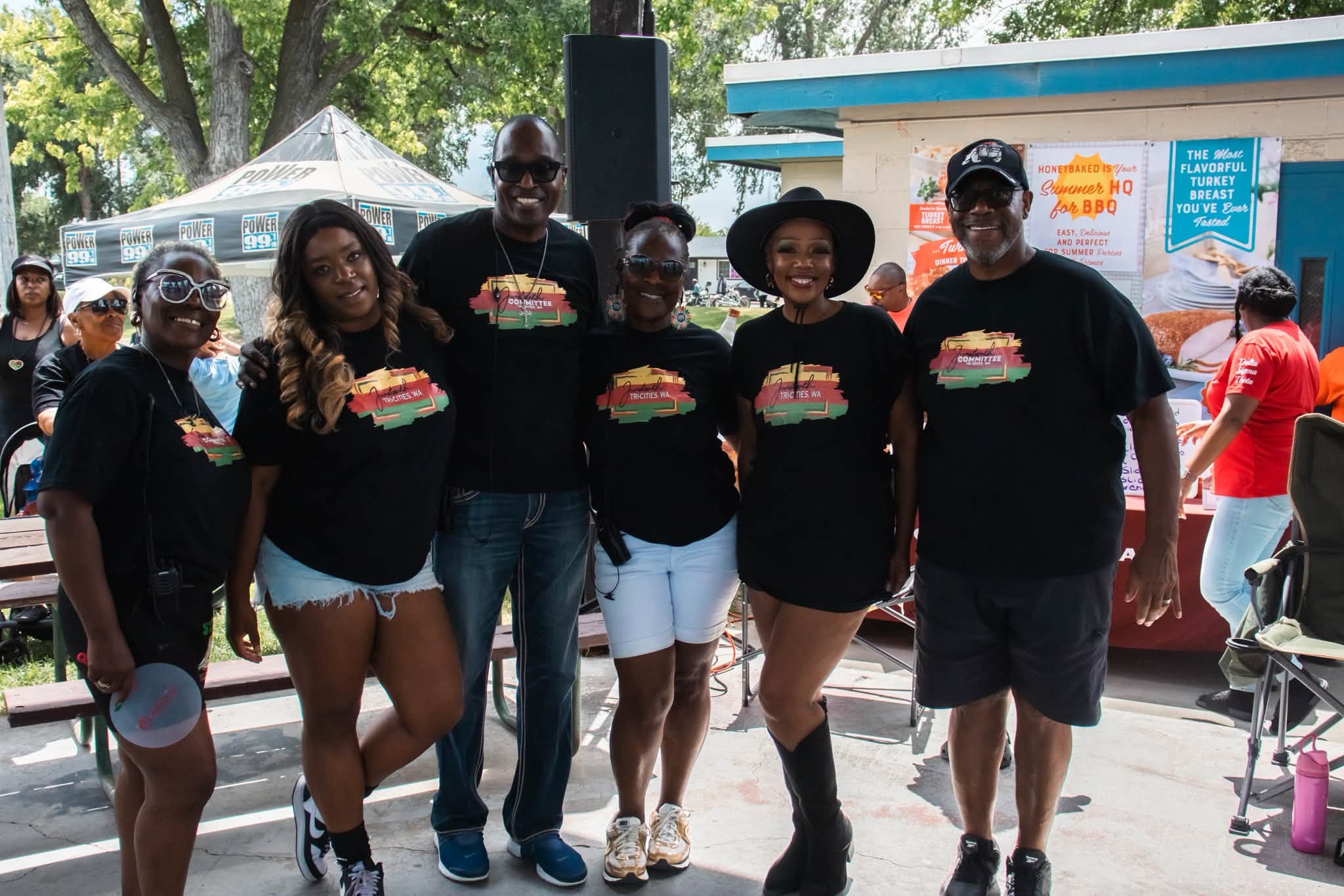
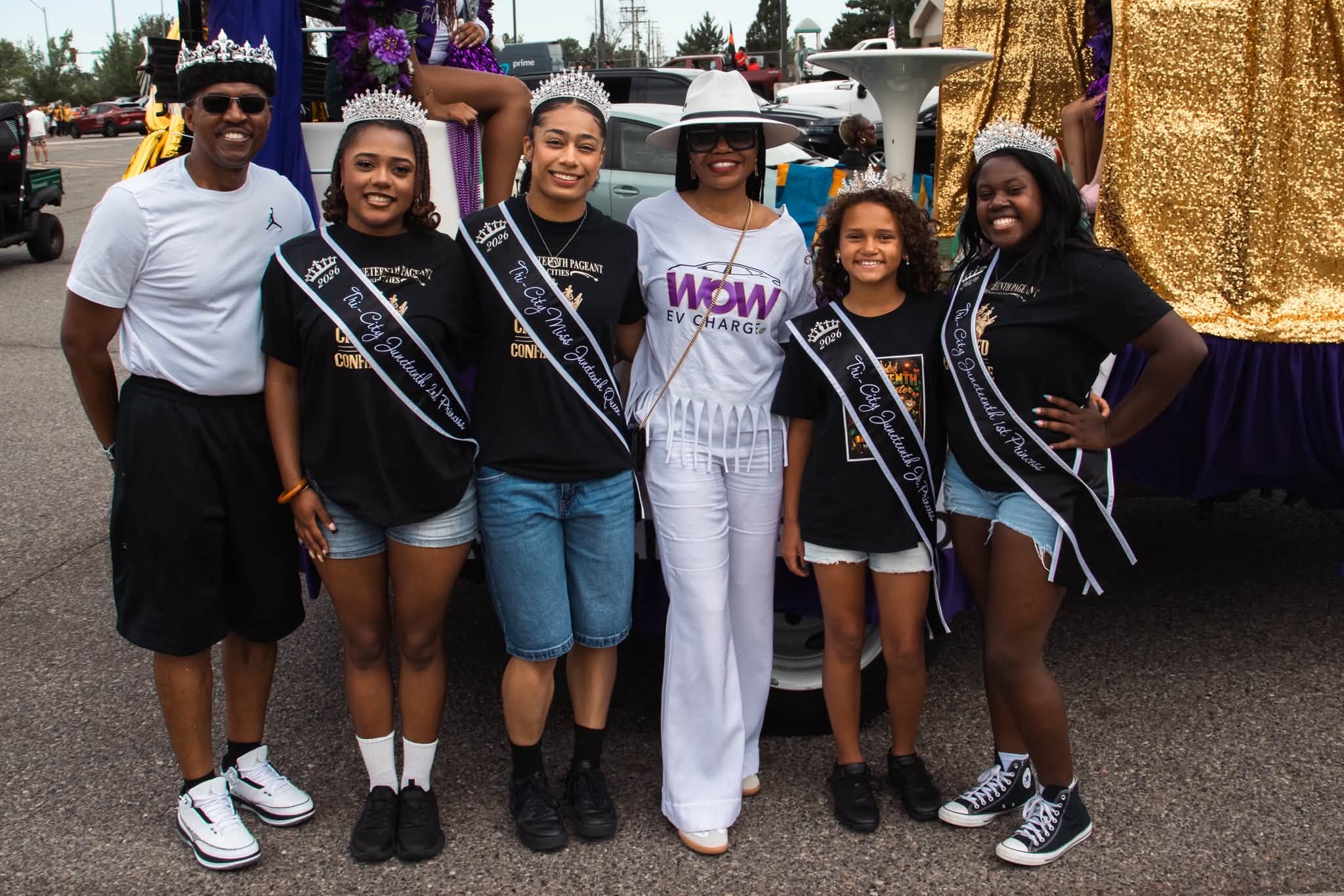
Long before Juneteenth became a federal holiday, McGary’s father also created ‘Fun Day’, an event that brought families from throughout the region — including Yakima and Oregon — to Pasco. Their goal, she says, was to create opportunities, strengthen the community, and bring people together outside of times of grief.
McGary also highlights the significance of the Black Junior Miss Juneteenth Pageant during the 1970s, describing it as one of the first opportunities for young Black girls in the Tri-Cities to see themselves represented at a time when they were largely excluded from other pageants, such as Miss Tri-Cities.
McGary says the committee’s work has always depended on collaboration. “We can’t do it alone,” she says. “Everyone has something to contribute. Information and resources help. It takes a village.”
Among the accomplishments McGary is most proud of is the committee’s longevity and the partnerships that have sustained its mission. She notes that Inatai Foundation funded all Juneteenth vendors during the committee’s first year, providing approximately 500 meals, and has continued supporting the celebration every year, including throughout the COVID-19 pandemic.
Looking ahead, McGary hopes to expand the committee’s educational impact. Concerned that students aren’t receiving enough instruction about Black history in the classroom, the committee is exploring an essay curriculum that would encourage young people to reflect on what Juneteenth means, what freedom looks like, and how they celebrate it.
Education, McGary emphasizes, extends beyond the classroom. The committee encourages attendees to engage with community organizations, educational booths, and local resources, including programs such as Women of Wisdom’s electrical apprenticeship, AACCES’ Academic Achievement Program, and Links Incorporated’s initiatives, while creating an environment where everyone feels welcome.
Because the Tri-Cities is a multicultural community, McGary believes Juneteenth should include a variety of events in familiar spaces that encourage participation from people of all backgrounds. She also emphasizes the importance of intergenerational leadership, noting that she and Elouise Sparks represent second-generation Juneteenth leadership, and that families continue passing the tradition to younger generations. By honoring grand marshals, senior citizens, and longtime community leaders, the committee ensures their stories remain part of the region’s history.
Reflecting on conversations surrounding race and historical truth, McGary says many residents remain unaware of the Tri-Cities’ history of segregation and discrimination. She describes East Pasco as once being predominantly Black, while Richland and Kennewick largely excluded African Americans from living within their communities. She also notes that Native families were displaced during the development of the Hanford Site, and that Pasco became one of the few places where Black, Chinese, and Hispanic families were permitted to live, often without basic infrastructure such as water or plumbing.
McGary recalled her grandfather being stopped by police simply for driving in Kennewick, and shared that C.J. Mitchell, the first African American to purchase a home in Richland, received death threats after moving into the neighborhood, while his wife advocated for Black students in local schools. McGary also shared a painful family story, recalling that once when her cousin stopped to get water with three white men in Kennewick, police beat him and hung him over a bridge. “In general,” she says, “they just weren’t welcomed.”
For McGary, preserving these stories is about more than remembering the past; it's about inspiring the future. She believes young Black people need to see themselves reflected in leadership, education, entrepreneurship, and community service so they know what is possible.
“We want to give them hope,” McGary says. “To show them they can accomplish great things — earn scholarships, take AP classes, continue their education, and aspire to do better."
As the committee continues gathering community input, showcasing local businesses, and connecting residents with employment, housing, healthcare, and public resources, McGary hopes its legacy will be defined by perseverance.
“Keep going regardless of the obstacles and barriers,” McGary says. “If one path doesn’t work, find another. Just keep pushing.”
Anyla McDonald aspires to become a poet, short story writer, and essayist speaking about racism against Black people, current world problems, and hot topics. When she writes, she does it with purpose and passion. She feels destined to touch others with her words, and wants to be known as someone who takes a stand and impacts lives with her writing.
Anyla offers consulting services to Black student unions, student governments, school boards, superintendents, parents, and teachers facing social challenges within their institutions. She assists them in developing and implementing policies and activities aimed at preventing discrimination.
Photos from Juneteenth Committee Tri-Cities, WA 2026 celebration (fb.com/juneteenthtricitieswa)
