
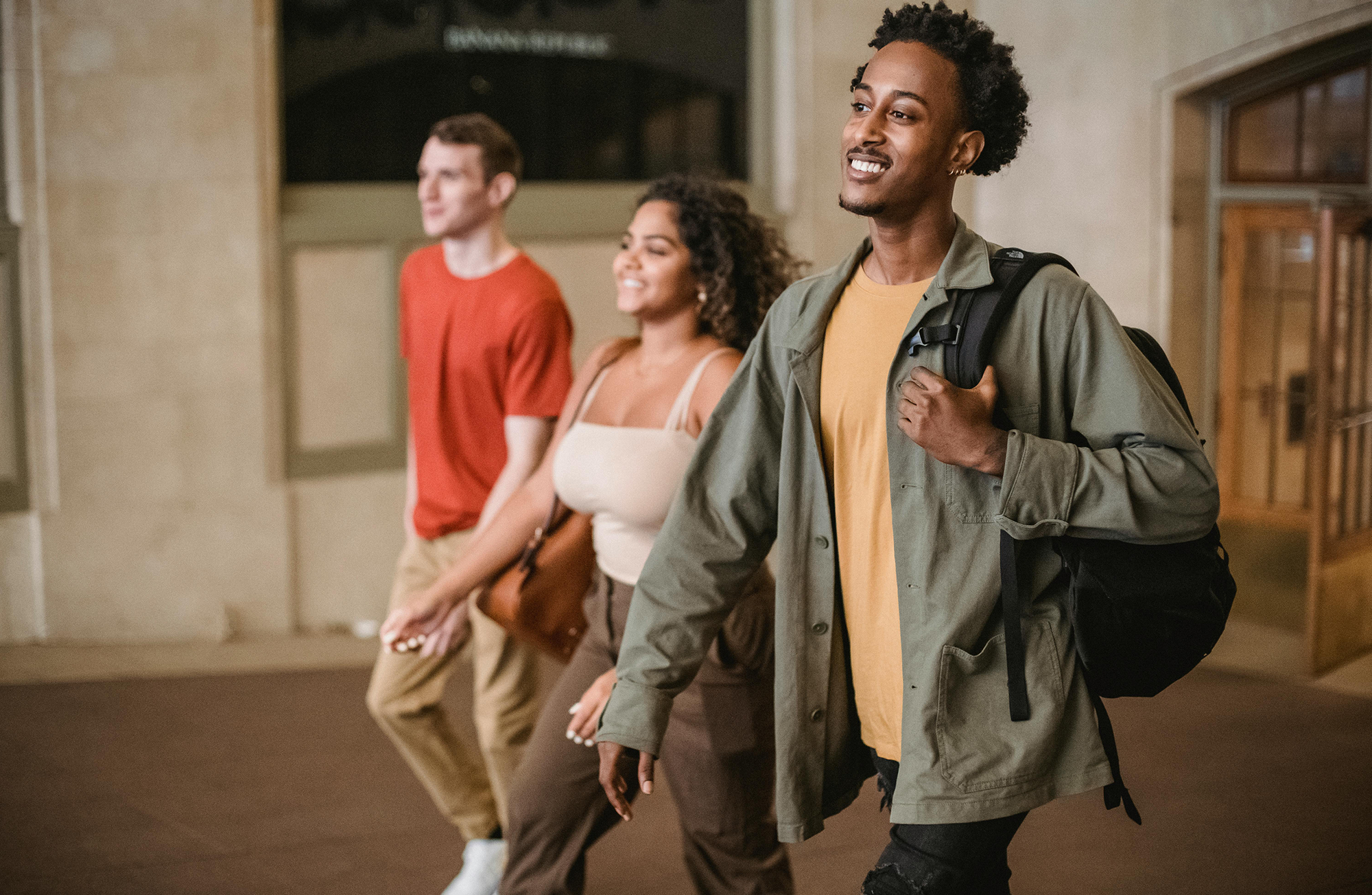
Photo by William Fortunato
The African American Community Cultural & Educational Society’s (AACCES) Academic Achievement Program is a transformative initiative being developed for students in the Tri-Cities. I sat down for an in-depth interview last month with Vice Chair Adaysha Ulu George, who describes the program as “a foundation point for young people,” explaining that the Academic Achievement Program serves as a central hub, connecting students to opportunities and essential resources. The program will rely on grassroots outreach — attending local events, and going directly into schools, classrooms, and auditoriums.
The Academic Achievement Program introduces post-secondary pathways to students as early as seventh grade, exposing them to community work, trade schools, and four-year college options. Ulu George emphasizes the importance of access and relatability, noting that students will participate in shadow opportunities with professionals they can identify with. In addition, the program will provide support for transportation, food insecurity, housing, internships, and more. Its goal is to create an environment rooted in “comfort and authenticity,” where students do not feel pressure to code-switch. The program includes parental engagement to address some of the disparities for African American students, such as low representation at award ceremonies, higher absence rates, fewer pre-recruits, and delayed awareness of opportunities.
When discussing the educational landscape in the Tri-Cities, Ulu George highlights a lack of African American and Pacific Islander representation in leadership roles, which contributes to students feeling unseen, unsupported, and hesitant to express themselves. She also points to gaps in curriculum, explaining that cultural representation, Black history, and Black achievements are often overlooked. Ulu George advocates for more inclusive education, including teaching about leaders such as Barack and Michelle Obama and bringing in living figures to speak with students. She emphasizes that the absence of celebration and recognition contributes to a broader lack of hope within the system.
The Academic Achievement Program aims to shift this experience by showing students that they are valued and capable. Ulu George describes plans for workshops that highlight success stories, allowing students to interact with individuals who have navigated similar paths. The program will also create immersive experiences, such as formal events where students dress professionally, walk across a stage, and witness others being celebrated. These moments are designed to “ignite a fire” and help students envision their own potential.
In addition to inspiration, the program focuses on practical skills. Students will gain knowledge in financial literacy and independence, with partners like HAPO helping them understand money management. Guest speakers, including community leaders like Joe Thornton of Big Bro Joe, will share personal stories of hardship and success, bringing “humanity and vulnerability” into the space. These experiences aim to build both confidence and real-world readiness.
(See our previous article ‘Big Bro Joe Foundation: Transforming lives with unforgettable impact’ at tumbleweird.org/big-bro-joe-foundation)
When asked what she would say to students who feel unworthy of higher education, Ulu George acknowledges that “college isn’t for everyone,” but stresses the importance of students discovering their passion and turning it into a career. She encourages students to explore paths such as photography, hairstyling, makeup, firefighting, or any field that aligns with their interests. Her message centers on purpose: students should recognize their worth, trust their journey, and understand that there is no single path to success. While the process may feel difficult and uncertain, Ulu George emphasizes that growth comes through perseverance, and that success is achievable.
The Academic Achievement Program also seeks to break generational barriers by reshaping how education is experienced. Ulu George highlights the importance of equipping parents with resources so they can better support their children. This includes increasing awareness, building community connections, and encouraging families to view opportunity as responsibility. The program will also focus on supporting Spanish-speaking and Hispanic families, particularly in areas like West Pasco, where access to information and networks may be limited.
To expand its reach, AACCES plans to partner with organizations such as the Boys & Girls Club, our local libraries, and Washington State University. These partnerships aim to “fill the gap” in access and invitation, ensuring students are aware of opportunities within their community. Outreach efforts will extend to locations like Memorial Pool and other community-centered spaces, reinforcing the program’s commitment to accessibility.
Ulu George’s passion for this work is deeply personal. As a mother of two Black boys, she understands the challenges they may face, including assumptions that prioritize athletics over academics. She notes that many young people have become disconnected from education, describing it as “out of sight and out of mind.” Without visible examples of success, students may feel directionless. She reflects on her own experiences with opportunities that helped her, including exposure to college through fashion, participation in speech and debate, and involvement in activism. These opportunities shaped her perspective and reinforced the importance of exposure in building confidence and ambition.
Ulu George emphasizes that involvement in the Academic Achievement Program offers value for everyone. Students gain access to “priceless information,” while community members have the opportunity to contribute to meaningful change. Parents benefit from having guidance, resources, and a reliable point of contact. The program will also offer mentorship opportunities, along with a structured calendar that includes job fairs, volunteer roles, and community panels.
For those interested in creating similar initiatives, Ulu George advises starting by identifying community needs and building connections. She stresses the importance of understanding logistics, securing funding, and forming partnerships with educators and organizations. Programs must create spaces where people feel heard, meet youth in familiar environments, and adapt to modern culture. As she notes, “It’s a TikTok generation,” and engagement must reflect that reality.
Ultimately, Ulu George envisions a lasting legacy where students can “see themselves in other lights.” The program aims to equip them with the tools, confidence, and support needed to pursue their goals, whether that means becoming a professional, entrepreneur, or community leader. By providing preparation in areas such as professional presentation, interviews, and access to resources, the program ensures students are ready for every opportunity.
Her message to students is clear: “You can control your future, you hold the power; you just need the people to show you how to use it.”
The Academic Achievement Program soft-launched to the public at the Big Bro Joe Foundation Seahawks Camp in April, and the official launch is scheduled for June 20 at Kurtzman Park as part of the Juneteenth Celebrations. The first cohort is expected to begin in August at Columbia Basin College.
You can learn more about AACCES and their work at https://www.aacces.com.
Anyla McDonald aspires to become a poet, short story writer, and essayist speaking about racism against Black people, current world problems, and hot topics. When she writes, she does it with purpose and passion. She feels destined to touch others with her words, and wants to be known as someone who takes a stand and impacts lives with her writing.
Anyla offers consulting services to Black student unions, student governments, school boards, superintendents, parents, and teachers facing social challenges within their institutions. She assists them in developing and implementing policies and activities aimed at preventing discrimination.
