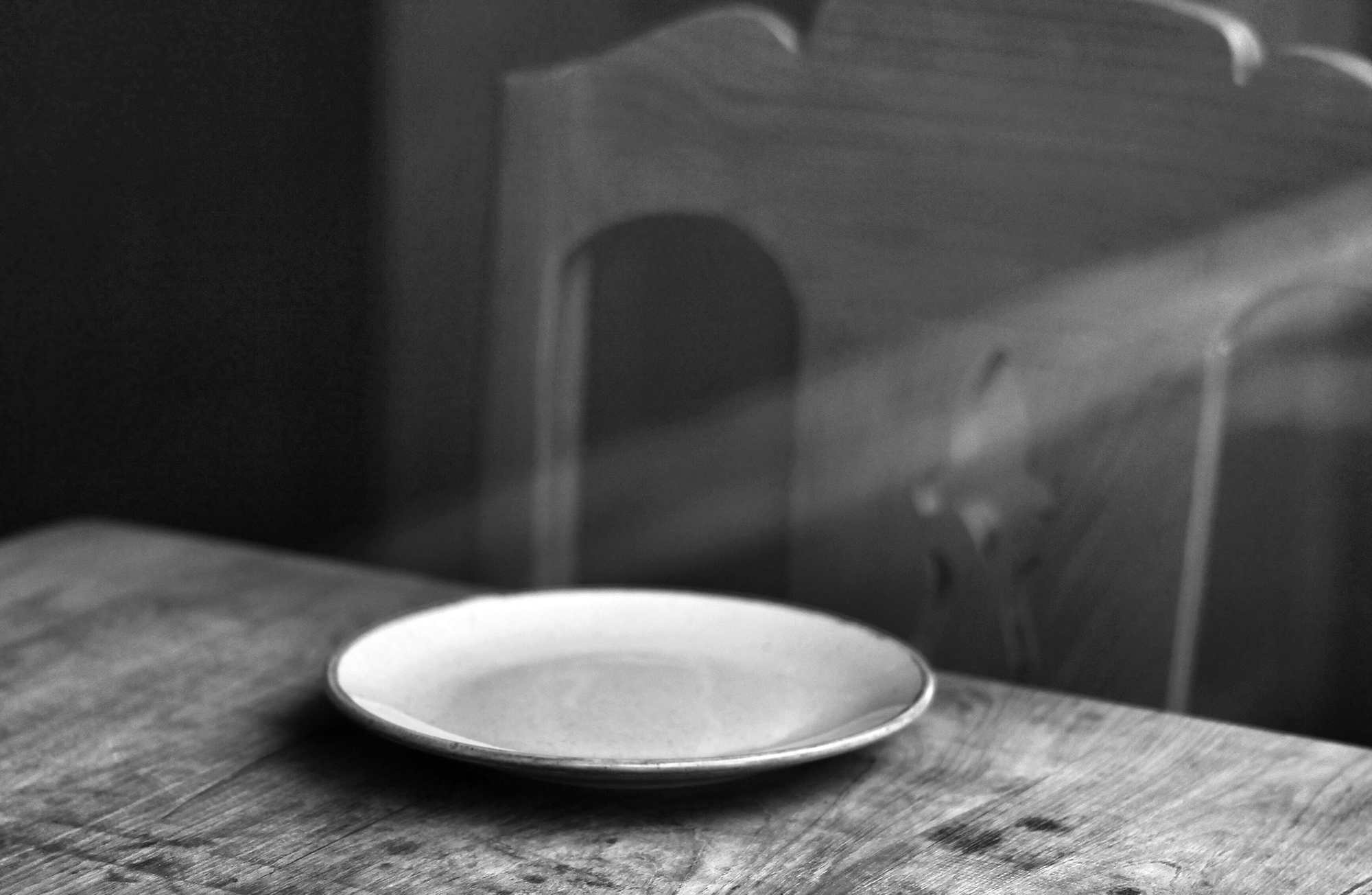
Photo by Metin Ozer on Unsplash
This article is bilingual! Scroll down for the English translation
Desde que comenzó la era T. (la era de Trump), hemos descubierto un sinfín de lamentables situaciones que afectan a nuestras comunidades migrantes. Las deportaciones van en aumento y las ideologías cada vez son más divisorias. Gente que pensábamos eran nuestros amigos, vecinos, incluso socios comerciales y familiares, se han tornado en contra de muchos de nosotros, y de otras comunidades. El odio y la desinformación se han vuelto el pan de cada día; las comunidades se descomponen, las tensiones crecen y todo comienza a empeorar. Muchas de las causas de deportación son el color de piel, el perfil racial, las denuncias, las redadas donde se supone hay puntos estratégicos, pero no son más que la justificación para no rendir cuentas a nadie. Ya no es solo la delincuencia, como todos aclamaban para justificar estas acciones.
Pero la realidad, como lo confirma un amplio estudio realizado en el sur de California y publicado en el Journal of Urban Affairs, es que la inmigración indocumentada no aumenta el crimen en los vecindarios. La investigación, encabezada por Charis E. Kubrin, profesora de la Universidad de California en Irvine, analizó durante casi una década 11,500 vecindarios donde viven unos 46 millones de personas, y encontró que donde aumentó la proporción de residentes indocumentados, los delitos contra la propiedad disminuyeron y los delitos violentos no mostraron cambios significativos.
“De acuerdo con las investigaciones en general, la inmigración no autorizada no impulsa las tasas de criminalidad en los vecindarios de Estados Unidos”, afirmó Kubrin.
Entonces, si la evidencia no respalda el discurso que justifica las redadas, las deportaciones y el perfil racial, cabe preguntarse: ¿a quién le conviene que sigamos creyendo lo contrario?
Es por eso que también hemos decidido no solo comentar y hacer noticia al respecto, sino documentar. Este año, en el Centro de la Dignidad, junto a Klaindastino Audio-Productions, hemos creado estratégicamente un espacio seguro para que las víctimas de familias separadas por las redadas de inmigración hablen al respecto. Algo que comenzó a finales del año 2025 y que en silencio se fue desarrollando hasta que, al comenzar el mes de julio, ya está en rodaje.
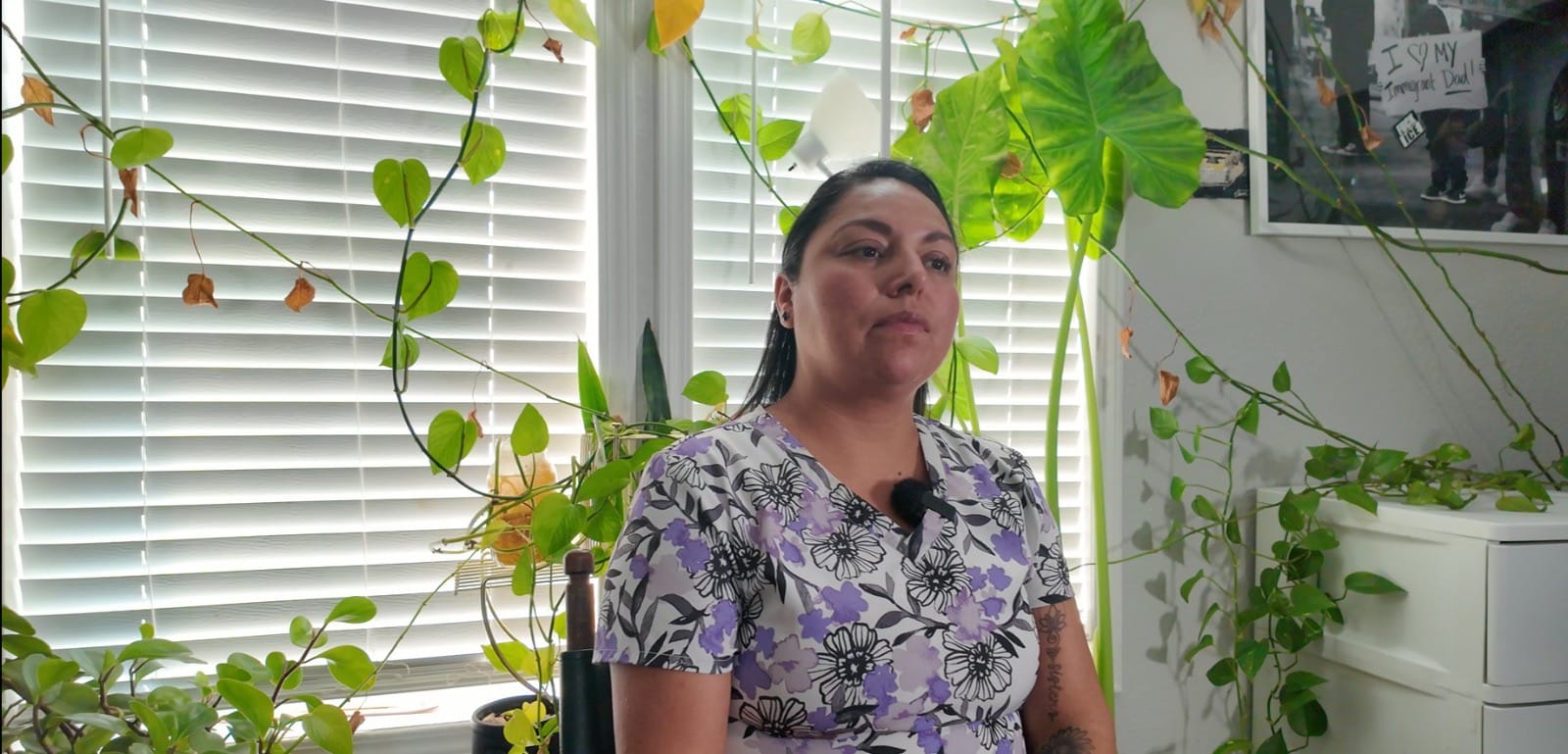
El minidocumental En la mesa falta uno es una serie que busca guardar en el colectivo digital y en la memoria de nuestra gente la realidad que sufren las familias, las madres, los hijos, los amigos, las parejas e incluso los mismos detenidos en el estado de Washington. Aunque sabemos que esto ocurre en todo el país y tenemos una limitante, trabajamos en nuestras comunidades del valle de Yakima, en Tri-Cities, y algunas partes del condado Adams y King, entre otras ciudades del norte de Oregon. En la mesa falta uno busca humanizar lo que hasta ahora se ha deshumanizado, pintar la realidad de quienes hasta ahora solo han sido mostrados como criminales, como parte de la victoria de la ideología absurda de que la migración es el mayor problema de todos.
Muchas de las veces quien habla lo hace sin tener un contexto, o lo hace desde la ignorancia, sin profundizar en el tema, sin investigar, leer o dedicarse un minuto extra a empatizar con quienes sufren más: las familias. Se ha puesto a prueba que no solo las detenciones suelen ser ilegales e injustificadas, incluso con residentes permanentes.
El caso de Lewelyn Dixon es una muestra de ello. Residente permanente legal con más de cinco décadas viviendo en Estados Unidos, técnica de laboratorio en UW Medicine, fue detenida el 28 de febrero de 2025 al regresar de un viaje a Filipinas, su país de origen. Su detención se debió a una condena por malversación de fondos en 2001, por la cual cumplió 30 días en una casa de transición y pagó una multa de $6,400. No ha tenido otros antecedentes penales desde entonces.
Dixon, de 64 años, pasó casi tres meses detenida en el Centro de Procesamiento de ICE en Tacoma, Washington, hasta que fue liberada el jueves 29 de mayo de 2025, después de que la jueza de inmigración Tammy L. Fitting desestimará la orden de deportación en su contra. Dixon describió su tiempo en detención como "un infierno".
Su caso resalta los riesgos que enfrentan los titulares de residencia permanente con condenas antiguas, especialmente al viajar internacionalmente. Bajo las políticas de inmigración actuales, incluso delitos no violentos de hace décadas pueden desencadenar detenciones y procedimientos de deportación. Dixon había optado por no naturalizarse como ciudadana estadounidense para mantener su ciudadanía filipina y cumplir una promesa familiar.
Su liberación ha sido recibida con alivio por su comunidad, pero también ha generado preocupaciones sobre la aplicación de las leyes de inmigración y los derechos de los residentes permanentes legales en situaciones similares. Existe incluso una serie de historias donde quienes hablan sobre sus familiares mencionan lo que hasta ahora se ha confirmado: centros de detención llenos a tope, abusos sexuales, negligencias médicas de todo tipo.
En mayo de 2024, un inmigrante salvadoreño intentó suicidarse cortándose las muñecas en el baño del Centro de Detención del Noroeste (NWDC) en Tacoma, según denunció La Resistencia. El hombre había expresado su miedo a ser deportado a El Salvador, donde afirmó que lo matarían por tener tatuajes. Ese mismo centro ya acumulaba nueve intentos de suicidio documentados desde la muerte de Charles Leo Daniel, un inmigrante trinitense que falleció tras cuatro años en aislamiento prolongado. Los propios detenidos denunciaron que los guardias tardaron más de cinco minutos en atender la emergencia.
En octubre de 2024, José Manuel Sánchez-Castro murió en el mismo centro tras varios días en aislamiento médico por abstinencia de opioides. Según La Resistencia, una enfermera del NWDC llamó al 911 cuando Sánchez-Castro aún respiraba, lo que sugiere que una intervención oportuna podría haberlo salvado. La organización señaló que el centro no contaba con medicamentos para tratar la dependencia de opioides, a pesar de que estos son accesibles en otras instalaciones, y que esto constituye una violación directa de las Normas Nacionales de Detención establecidas por ICE.
Y en mayo de 2026, un informe del Centro para los Derechos Humanos de la Universidad de Washington documentó 229 reportes de abuso o agresión sexual ocurridos entre 2015 y 2025 en el mismo centro de Tacoma. De 145 casos con determinación oficial, solo 19 fueron substanciados; 90 se clasificaron como no substanciados y 36 como infundados. El informe también señala que en múltiples casos el personal del centro decidió no informar a la Policía de Tacoma, incluso cuando las víctimas lo pidieron explícitamente. Ese mismo informe coincidió con el cierre de la Oficina del Defensor del Pueblo para la Detención Migratoria, la entidad federal creada en 2020 para supervisar las condiciones en los centros de detención migratoria. Todas estas historias y muchas más son las que buscamos con En la mesa falta uno cubrir y preservar. Porque cada silla vacía en una mesa es una historia que duele. Cada plato que no se sirve, cada risa que no se escucha, cada abrazo que no llega. En la mesa falta uno no es solo un documental: es un acto de memoria, un grito silencioso que se niega a ser olvidado. Es la voz de quienes ya no pueden hablar y el eco de quienes aún esperan. Es la prueba de que, aunque quieran borrarnos, aquí seguimos. Y mientras haya una familia esperando, una madre rezando, un hijo preguntando por su padre, este proyecto seguirá rodando, seguirá grabando, seguirá contando lo que no quieren que se sepa.
Porque en la mesa falta uno. Y no vamos a dejar que falte también la verdad.

English translation:
Since the T. era (the era of Trump) began, we have discovered an endless number of lamentable situations that affect our migrant communities. Deportations are on the rise and ideologies are increasingly divisive. People we thought were our friends, neighbors, even business partners and family members, have turned against many of us, and against other communities. Hatred and disinformation have become our daily bread; communities are falling apart, tensions are growing, and everything is getting worse. Many of the causes of deportation are skin color, racial profiling, denunciations, raids where strategic points are supposedly located — but they are nothing more than the justification to not be accountable to anyone. It can no longer be attributed to delinquency, as those in power once proclaimed to justify these actions.
The reality, as confirmed by a broad study conducted in Southern California and published in the Journal of Urban Affairs, is that undocumented immigration does not increase crime in neighborhoods. The investigation, led by Charis E. Kubrin, professor at UC Irvine, analyzed for almost a decade 11,500 neighborhoods where some 46 million people live, and found that where the proportion of undocumented residents increased, property crimes decreased and violent crimes showed no significant changes.
"According to research in general, unauthorized immigration does not drive crime rates in United States neighborhoods," affirmed Kubrin.
So, if the evidence does not support the discourse that justifies the raids, the deportations and racial profiling, it is worth asking: Who benefits from us continuing to believe the opposite?
That is why we have also decided not only to comment and report on the matter, but also to document. This year, at the Center of Dignity, together with Klaindastino Audio Productions, we have strategically created a safe space for the victims of families separated by immigration raids to speak about it. We began at the end of 2025, silently developing this work until we began production this past July.
The mini-documentary, One Is Missing from the Table, is a series that seeks to save in the digital collective and in the memory of our people the reality suffered by families, mothers, children, friends, partners, and even the detainees themselves in the state of Washington. Although we know that this happens throughout the country, this mini-documentary is limited to our communities of the Yakima Valley, the Tri-Cities, some parts of Adams and King County, and a few nearby cities of northern Oregon. One Is Missing from the Table seeks to humanize what until now has been dehumanized, to paint the reality of those who until now have only been shown as criminals in order to uphold the absurd ideology that migration is the greatest problem of all.
Many times, whoever speaks does so without having context, or does so from ignorance, without having delved into the subject, without investigating, reading, or dedicating an extra minute to empathize with those who suffer most: the families. It has been proven that not only are detentions often illegal and unjustified, they happen even to permanent residents.
The case of Lewelyn Dixon is one example of this. A legal permanent resident with more than five decades living in the United States, Dixon worked as a laboratory technician at UW Medicine. She was detained on February 28, 2025 upon returning from a trip to the Philippines, her country of origin. Dixon’s detention was supposedly due to a conviction for embezzlement in 2001, for which she served 30 days in a transition house and paid a fine of $6400. She has had no other criminal record since then.
Dixon, at 64 years old, spent almost three months detained at the ICE Processing Center in Tacoma, Washington, until she was released on Thursday, May 29, 2025, after immigration judge Tammy L. Fitting dismissed the deportation order against her. Dixon described her time in detention as “a hell.”
Her case highlights the risks faced by permanent resident cardholders with old convictions, especially when traveling internationally. Under current immigration policies, even nonviolent crimes from decades ago can trigger detentions and deportation proceedings. In Dixon’s case, she had chosen not to naturalize as a U.S. citizen to maintain her Filipino citizenship and fulfill a family promise.
Dixon’s release has been received with relief by her community, but has also generated concerns about the enforcement of immigration laws and the rights of legal permanent residents in similar situations.
There are a series of stories coming out, terrible stories from those who speak about their relatives’ experiences or their own, that are now being confirmed: detention centers filled to the brim, sexual abuse, and medical negligence of all kinds.
In May 2024, a Salvadoran immigrant tried to kill himself by cutting his wrists in the bathroom of the Northwest Detention Center (NWDC) in Tacoma, according to La Resistencia. The man had expressed his fear of being deported to El Salvador, where he stated they would kill him for having tattoos. That same center had already accumulated nine documented suicide attempts since the death of Charles Leo Daniel, a Trinidadian immigrant who died after four years in prolonged isolation. Other detainees reported that the guards took more than five minutes to respond to the emergency that killed Daniel.
In October 2024, José Manuel Sánchez-Castro died in the same center after several days in medical isolation for opioid withdrawal. According to La Resistencia, a nurse at the NWDC called 911 when Sánchez-Castro was still breathing, which suggests that a timely intervention could have saved him. The organization pointed out that the center did not have medications to treat opioid dependence, despite the fact that these are accessible in other facilities, and that this constitutes a direct violation of the National Detention Standards established by ICE.
And in May 2026, a report from the Center for Human Rights of the University of Washington documented 229 reports of sexual abuse or assault that occurred between 2015 and 2025 in the same Tacoma center. Of 145 deaths with an official determination, only 19 were substantiated; 90 were classified as unsubstantiated, and 36 as unfounded. The report also points out that in multiple cases, the center’s staff decided not to inform the Tacoma Police, even when the victims explicitly asked them to. That same report coincided with the closure of the Office of the Immigration Detention Ombudsman, the federal entity created in 2020 to oversee conditions in immigration detention centers.
All these stories and many more are what we seek to cover and preserve with One Is Missing from the Table.
Every empty chair at a table is a story of pain and loss. Every plate that is not served, every laugh that is not heard, every hug that does not arrive. One Is Missing from the Table is not just a documentary; it is an act of memory, a silent cry that refuses to be forgotten. It is the voice of those who can no longer speak and the echo of those who still wait. It is proof that, even if they want to erase us, we are still here. And as long as there is a family waiting, a mother praying, a son asking for his father, this project will keep rolling, will keep recording, and will keep telling what the abusers in power do not want to be known.
Because one is missing from the table. And we are not going to let the truth go missing, too.
Alcon Media, LLC: https://alconmediallc.godaddysites.com
klaindastino kors: https://podcasts.apple.com/us/podcast/klaindastino-kors/id1578818669
