
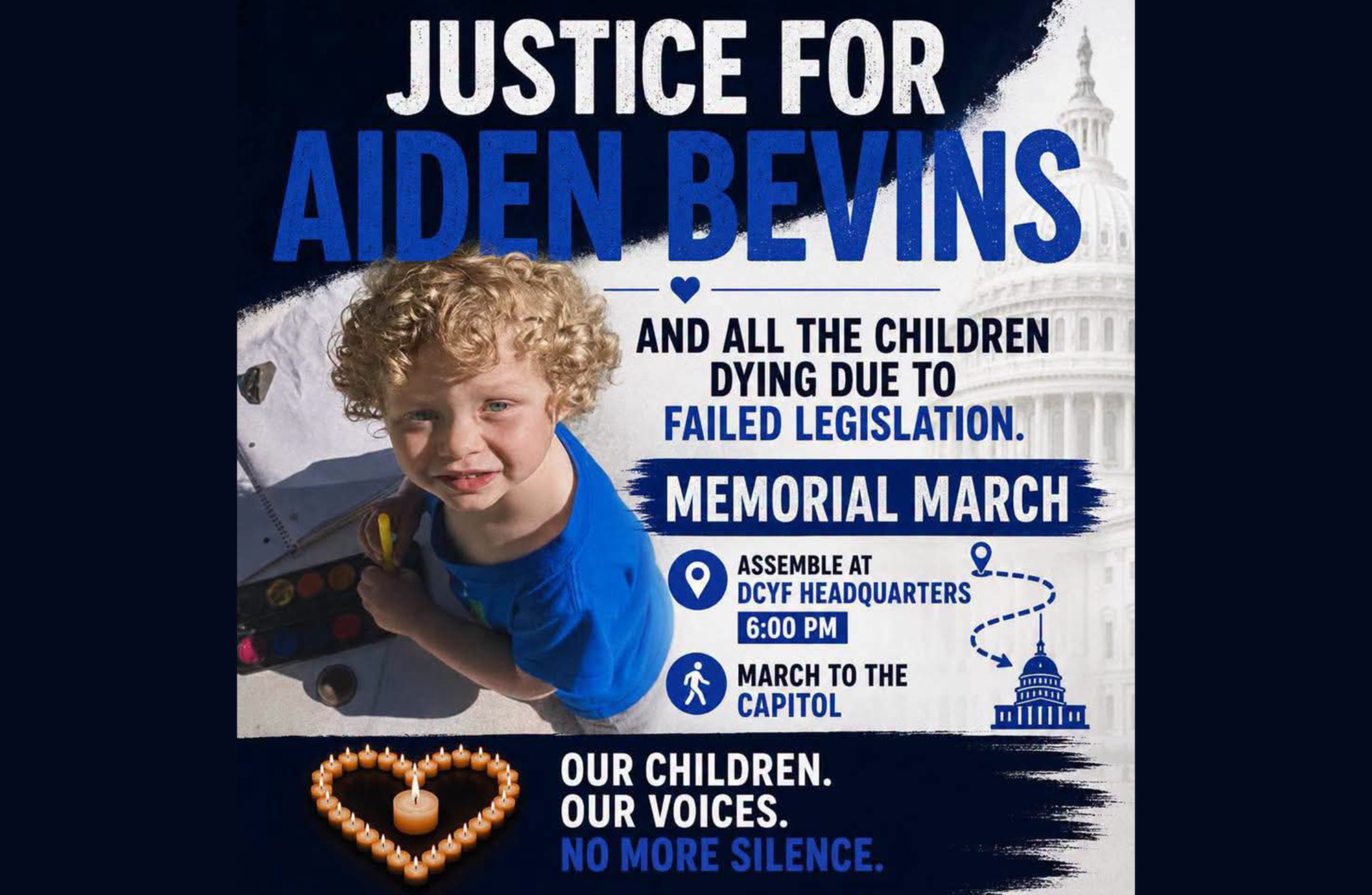
According to some advocates, the Keeping Families Together Act is endangering children.
It has been five years since the Washington State Legislature passed E2SHB 1227, the Keeping Families Together Act. According to the Washington State Department of Children, Youth, and Families (DCYF), “The intent of the act was to safely reduce the number of children placed into foster care, reduce racial disproportionality in the child welfare system, and support relatives to take care of children when they must be placed out of home to protect their safety.”
According to data being collected by DCYF, fewer children and youth are being placed in out-of-home care since E2SHB 1227 was passed, and fewer are being removed from unsafe homes. The removal standards that are in place for DCYF include a poverty exception, and an “imminent harm” assessment that must be met. Also, children have preferential placement with their families or other suitable people rather than foster homes.
The DCYF website explains more about the law’s background:
The Keeping Families Together Act went into effect on July 1, 2023, and resulted in a 14% reduction in the number of children entering out-of-home care in the first year of implementation. Following one year of implementation, the legislature adjusted removal standards in SB 6109 that went into effect June 1, 2024. SB 6109 directed courts to “give great weight to the lethality of high-potency synthetic opioids and public health guidance from the department of health relate to high-potency synthetic opioids in determining whether removal is necessary to prevent imminent physical harm to the child due to child abuse or neglect.”
Several groups are now fighting to change the law, saying more children are dying at the hands of their family members.
A former foster mom tells her story
Former foster mom Nicole Myjack was fostering with her husband for about 10 years. We conducted a telephone interview with her on June 8, in which Nicole said that during that time, she estimates they fostered between 40 and 50 children. They now have an adopted daughter.
With her years of experience with fostering and adoption, Nicole is concerned that children will suffer. “The thing that no one’s really talking about, or you can’t really calculate, is how much trauma these kids are going to have to endure before the department steps in,” said Nicole. “And in some of these cases, that [children] go to unsafe environments.”
Nicole said her concern with the new law extends to people in active addiction. Currently, DCYF uses a plan for people to keep drugs out of reach of children. Nicole explained that someone who is actively using drugs gets a lockbox to keep them away from children. Nicole says it’s not enough. “The thing is with drug use and drug addiction, when people are actively using, they’re not always telling the truth,” she said. “[A]nd either intoxicated on alcohol or another drug … your mind is impaired.”
Nicole spoke about several children in Washington that have died in the care of their parents, many in accidents related to drug use.
According to data released by DCYF In 2025:
Washington saw 57 child welfare critical incidents: 22 child fatalities and 35 near fatalities. This was a record number for the state.
A majority of the critical incidents in 2025 fit into two groups:
• - Infants and toddlers exposed to drugs
• - Unmet medical/healthcare needs among children and/or caregivers
Almost all the 2025 critical incidents occurred in families with high needs who have frequent encounters with the child welfare system.
So far in 2026, these incidents have decreased. In an article released on June 24 from the Washington State Standard, “Child deaths and near-fatalities in the Washington state welfare system dropped steeply in 2026, with four children dying and three nearly dying in the first quarter. This follows a record year in 2025, which saw 23 deaths and 35 near-deaths. Many of these incidents are linked to fentanyl and parental substance abuse.”
Nicole wrote to us on June 26 with her thoughts about improving the system.
Three critical changes I would like to see to the foster care system are:
1. Respect the 12 – 18 month timeline. Some youth are in the system 5 – 10 years, or just age out without ever becoming part of a forever family. I personally have met at least five of these kids, and have reached out to social workers about countless others.
2. [Child Protective Services:] Focus on if the child’s needs (physical, emotional, developmental) are being met. This includes if there are behavioral or developmental concerns… Getting ongoing services in a timely manner is critical.
3. Support of the foster parent and / or family, especially when the intent is adoption. In my disrupted adoption, I reached out to the department for assistance on addressing some behavior challenges. My family received limited or no response.
Nicole’s family no longer fosters kids or teens. It became too hard on her family, as her daughter has complex needs. But she wants the law to change so that other children no longer suffer.
Nicole spoke about the lasting and wonderful bonds with many of the foster kids she had in her care, some of whom she is still in contact with, including a teen that they were going to go into guardianship with before it failed. We asked Nicole to talk about what happened when she was unable to continue caring for this teen after three months.
She responded on June 25:
We were in the process of guardianship [with Alison]. We had a disagreement and she was having a mental health crisis. The department sent her to Ohana [in Yakima], a group home. And then without really a process forward, we were told another family was willing to take her in. So we just went with that, and weren’t even given the opportunity to reconcile.
Nicole told us her former foster daughter, Alison, would be happy to talk to us about her experiences in care. We spoke to Alison by phone on June 11.
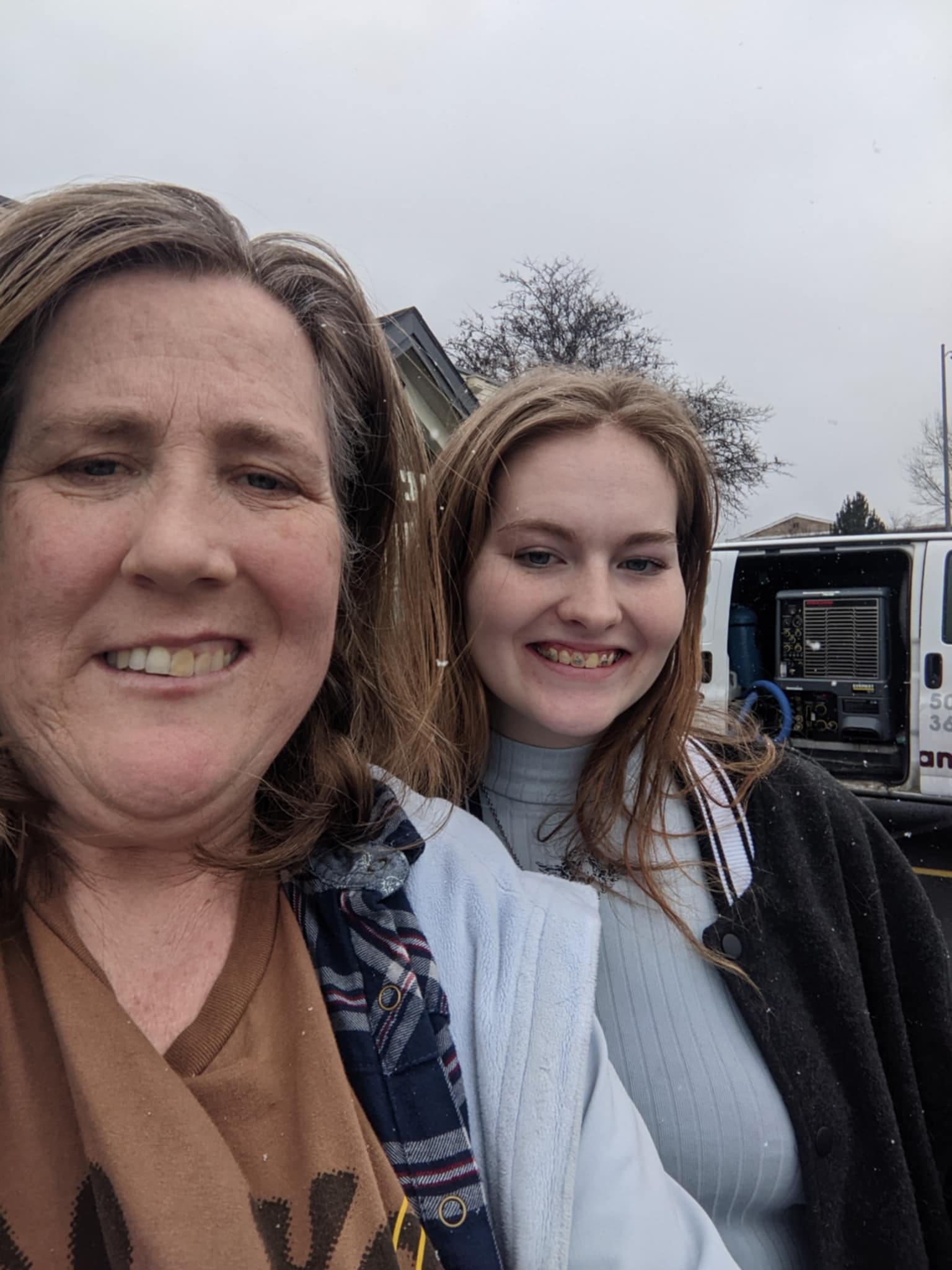
A former foster kid tells her story
Alison is a 22-year-old former foster kid who told us, “I lived in Washington pretty much my whole life. I entered the foster care system at 15 and I technically aged out and went into an extended foster care, and then aged out of that.” She recently moved to live with her fiance who is in the Navy in Virginia.
Alison spoke about her life in Washington. She was abused by her stepmother, who came into her life when she was young:
I was ten, and the abuse started, probably like three or four months after they were together. She moved in pretty quickly and became a part of our family really quickly. My dad was a truck driver, so he wasn’t really home very often, so she had plenty of opportunity to have us — just me and my little sister — be around her by ourselves.
[The abuse] started with verbal, mental, and eventually it got to physical. So I started (what the law classifies as running away) to get away from the situation, and the day that I was taken, they had called the cops on me, saying that I had run away… my stepmom beat me really bad, to the point where I bruised instantly, black bruises, and I couldn’t take any more.
Alison told the police what was happening. Her abuse was documented and she was taken from the home. Her little sister wasn’t taken at the time. She lied, Alison said. Her sister told the police nothing was happening to her. Alison believes she did this to protect her parents. “My little sister was lying to protect the family. She wasn’t taken. The abuse was extending towards her as well, but she lied about it.”
Alison said during her time in foster care (what she calls “regular foster care”), she was moved eighteen times from 15 to 18 years old. She was sent to Walla Walla, Yakima, Sunnyside, and the Tri-Cities. “My first foster home, there were six of us kids, and it was chaos constantly. We weren’t allowed to have friends, we weren’t allowed to talk to anybody, really, on the outside world. We weren’t allowed our electronics. I fell behind in school.”
Younger children in the foster care system are assigned a guardian ad litem. That is a person that advocates for the child as they are not old enough to advocate for themselves. When Alison entered the system at fifteen years old, she was assigned an attorney to represent her.
Alison was with the first family for a year and a day, before she was returned to her dad and stepmom. Alison said, “My social worker explained it to me when I first was put into foster care: their goal is to reunite you with your family. That’s their ultimate goal, no matter what. Even if you try and tell them no, you don’t want to go back.”
Alison said her biological mom isn’t in the picture. She’s an addict, and Alison said she saw many terrible things when she was a child in her mom’s care. “They wanted her to go ahead and get clean, to go ahead and take me, and they tried doing counseling with me and her, and it just never worked out because of her issues,” said Alison.
The state of Washington really wants families to be reunited, Alison told us. But her dad was an alcoholic and he would simply ignore what was happening around him. “He would drink and watch TV all the time,” said Alison.
Alison said she remembers how traumatic it was to be taken away, then sent back to the family that abused her.
She said there were a lot of photos taken of her injuries, and she eventually demanded that her dad and therapist look at the photos. When her dad finally saw them, he kicked her stepmom out of the house.
Things were going well for a while after that; her dad wasn’t drinking and it was just Alison, her sister, her dad, and his brother living in the house. But after one night of drinking, Alison’s dad got so violent that they called the police on him. Both Alison and her sister were taken this time.
The sisters were placed together in a crisis center in Yakima, one that Alison had been at before. “The crisis center was like a second home to me through my foster care journey,” said Alison. “I was placed there quite frequently.”
Alison continued to move homes, eventually being placed in one of her high school teacher’s homes, enabling her to graduate high school. This family was very good for Alison for a while, even adopting her at 18. She managed to get accepted into University but ended up leaving school because of mental health challenges. Alison was diagnosed with clinical depression when she was a younger teen and has continued counseling to help her manage her mental health.
Her adopted family rejected her, after a time, and Alison ended up in extended foster care. She believes they only adopted her so they could look good to the community.
Alison has strong feelings about the law in Washington now. She believes that in her case, she would still have been removed from her family’s home, because of the significant abuse. But Alison’s biological mom was an addict and she saw lots of things when she was still living with her as a young child. She thinks the ’lock boxes’ for drug using parents are a terrible idea:
If they are using any substance harder than marijuana, they should get taken, in my opinion, because of the fact that I grew up for many years in a home where I was around substance abuse. I’ve seen so many things I should not have seen because of it, and it is a very traumatic experience for a kid…
I just don’t understand that. I don’t respect the lawmakers for making that law. I mean, so many kids have died because of it already. It’s a danger to the kids. They might be ‘in’ a lock box; that doesn’t mean the lock box is locked… It doesn’t mean the kids can’t get the keys. It’s just like people having guns. There’s stories all across America all the time about kids getting into the locked gun safes and killing themselves on accident because they knew how to get into it. It’s the same thing with this drug law and the reunification law.
Alison said she was a “very stubborn” foster kid, speaking up for herself. And she said most kids don’t do that. “I was very outspoken, unlike most foster kids… Like, I know what I need, and I’m not going to stop until I get what I need.” She said that a lot of foster kids don’t know how to “work the system” or talk to their social workers about what they need.
Alison said that what she wants people to understand most about foster care is that it’s not the kids’ fault that they are in that system. “There’s a misconception that the reason kids are in foster care is because they’re bad kids, that they did something wrong to get taken, and that’s not always the case,” she said. “A lot of the time, it’s because of the bad parents, not the bad kids. And I really wish people would stop judging kids who are in foster care, or even adults who were in foster care.”
Alison said she was moved to about 40 placements in all before finally landing in a Catholic Charities program called Independent Living Skills. She learned how to be on her own, pay her own bills, and get a job. Now, Alison is looking forward to being married and finding a job in Virginia. Her emotional support cat, Indica, has weathered the storm with her.
A fostering advocate tells her story
Jessica Hannah is a mom of nine who has fostered and adopted kids in Washington and Michigan. She spoke to Tumbleweird on June 6 via phone. Jessica is the co-founder of the group Fostering Change Washington based in Ellensburg. The other co-founder, Shannon Love, explained on their YouTube channel that she was recruited to be a foster parent by Jessica in 2017 after they met at a homeschool co-op. Jessica had grown up in a family that fostered children and began fostering herself at 21. She’s very passionate about protecting kids.
“We are a Christian organization, and we stand on biblical values,” Jessica said. “It's a little bit difficult for people to want to partner with us because of that. We do have a counterpart that is not religious, and it’s called Keeping Kids Safe.”
Jessica said she’s been working for years to help get legislation that would protect vulnerable children in the system. This last year, she said, was especially difficult. “This legislative session, it was a little different, too, because usually in the past the Democrats have been the ones that have been wanting to help and keep kids safe… [This time,] they were the ones shutting us out.”
Jessica said she likes the Keeping Families Together Act, in theory, but that the law is “actually killing kids.” Jessica said the requirement of the law, that Child Protection Services has to prove imminent harm, leaves children in dangerous situations. She talked about one case in Yakima where animal control was called to take away the animals in the home because of neglect, but the children were left in the home. “The children had an active social worker that kept coming in. [They] couldn’t figure out how to get the kids out. Next thing you know, [the] kids starve.”
Jessica said that because E2SHB 1227 is keeping children in the homes of parents who are addicted to drugs, they are seeing an increase in children exposed to dangerous opioids. “We have a total epidemic with all the drugs,” said Jessica. She said the department is asking drug-using parents to lock up their drugs in lockboxes, and telling parents to take turns doing drugs, so the children have one sober parent at all times.
Jessica said her organization is mainly trying to get information out about the danger that children are in now with the new law. “I mean, we just want kids to stop dying, and we’re pursuing alternate things to try to help vulnerable families.”
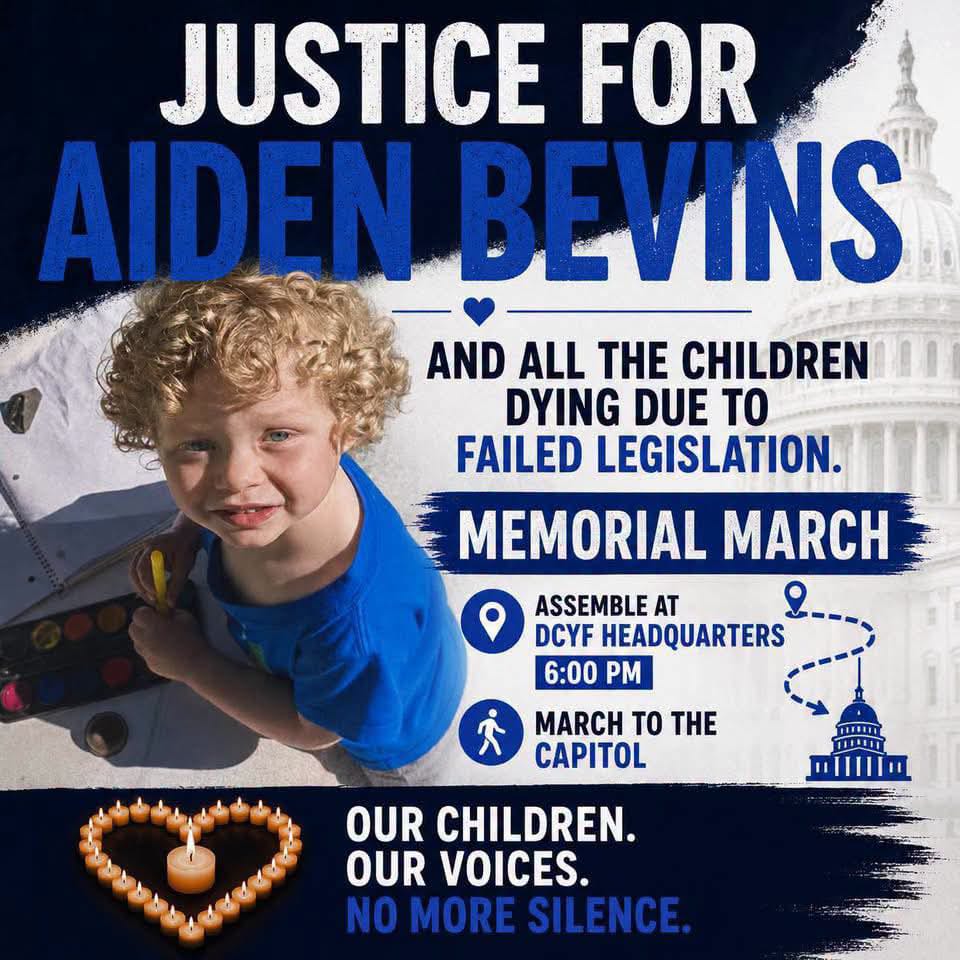
Keeping Kids Safe organized an event on June 27 to call attention to one child’s death in foster care. They shared a press release with us that said (in part):
Families, advocates, frontline workers, and community organizations will gather in Olympia on Saturday, June 27, 2026, for a Memorial March for Aiden Bevins and all victims of failed child safety systems in Washington. Organized by Keeping Kids Safe, the event will honor children whose lives were lost and call on state leaders to make child safety a top priority.
Their website has a page dedicated to children who have died in the foster care system in Washington. They laid out some of their organization’s main concerns in an email to Tumbleweird:
The development and implementation of HB 1227 prioritized reducing removals and strengthening parents’ procedural rights, while giving comparatively little consideration to child safety practice, safety science, or the operational realities of child protection.
A coalition was put together to develop this law. The coalition’s own presentations indicate that defense attorneys played a central role in drafting the legislation and the implementation tools used by the courts, while experts in child safety were not similarly represented.
They also laid out what Keep Kids Safe considers the most problematic issues that came from HB 1227:
Changes to the legal standard
- Before 1227, the court could remove a child if protection required removal and staying in the home was contrary to the child’s welfare. The language focused on protection and allowed for more judicial discretion.
- After 1227, numerous in-home protective measures must be considered before removal, and the home’s conditions must be directly related to the imminent physical harm.
- DCYF bears the burden of proof to demonstrate why every reasonable alternative to removal would not sufficiently protect the child.
- Essentially the shift went from, "Do we need to remove the child to protect the child?" to the question of "Can the child safely remain home if the court orders enough protections?"
Unintended consequences
- Difficulty intervening in chronic neglect
- Emotional abuse not recognized
- Medical child abuse / neglect not accounted for
- Child torture cases that often begin with [overlooked] neglect indicators
Perhaps the most concerning factor for us is that we use critical incidents — fatalities and near-fatalities — as the marker of success or failure for a law, rather than focusing on a child’s wellbeing. We need our child welfare system to have policies that prioritize the child’s safety.
A mental health specialist tells her story
Dena Johnson understands the foster system on multiple levels. In an interview with Tumbleweird on June 11, she said she’s spent the last decade immersed in the foster care system:
I come at this from a couple different directions. I am an adoptive mother of seven, and I have legal guardianship now of two granddaughters. But I’m also a licensed mental health counselor with specializations and attachment-focused trauma therapy, and another post grad in a program called Trust-Based Relational Interventions that is specific to the foster-adopt population.
I have done a lot more work with foster children / adopted children, and foster parents / adoptive parents, specifically addressing trauma, but also prenatal drug and alcohol. I sort of come at this from a couple different perspectives: as the parent who has seen these things in my kiddos’ lives, and then the practitioner who is walking through different struggles with kids in and out of the stuff.
Dena’s work in trauma therapy as a mental health counselor gives her great insight on how trauma affects people from pre-birth to adulthood.
“I think we can teach on this… I generally lay out the various layers of trauma, one of those being pre-birth traumatic experiences the kids might have,” said Dena. She explained that the trauma could be prenatal exposure to drugs and alcohol, or medically involved pregnancies that could result in prenatal trauma.
Parents are in high-stress situations, whether that’s domestic violence or poverty, or whatever experiences they may be having. What we understand now, of course, is that that jacks up their rates of cortisol, which is a stress hormone. Cortisol does cross the placenta. They are born testing really high cortisol at birth when they’ve been in these complicated situations. Interestingly enough, that high cortisol at birth remains pretty consistently high throughout the lifespan of kiddos who are born with high cortisol, and so we see some of the fallout of that later on in kids’ lives, when it comes to stress responses, behavioral difficulties, problems forming secure attachments, and all of the sort of downstream product of those things in individuals’ lives.
Dena knows about the changes in the law in Washington; she used to live here before relocating across the country with her family. She is now taking care of two granddaughters that were removed from one of her adult children’s homes. She said:
We’re pretty familiar with the harm of abuse — physical abuse, sexual abuse. What we’re less familiar with is the fact that neglect is its own form of abuse, and is actually a lot harder for the human brain to process than outright abuse... Neglect doesn’t have that clear cut of pain associated with it, so that is harder for people to process, and it’s harder for people to understand, and it’s harder for people to categorize as risk.
What I see happening more, especially in the state of Washington, is that we are leaving children in risky homes in the name of family preservation or family reunification, and we’re compounding the trauma that these kids are exposed to. So we have ongoing, repeated — sometimes daily — experiences of trauma and neglect. And more specifically, we have that in the interpersonal context. It’s at the hands of people who are supposed to protect us, love us, keep us safe; and so, interpersonal trauma bears different.
Dena said that because of changes to the foster care system in Washington, more children are experiencing harmful neglect and are at increased risk:
We know a percentage of them have active drug use in the home; and where that used to be a consideration for removal, what we’re doing now is we’re sending parents home with their fentanyl lockboxes, and encouraging them to lock up their drugs when they’re not using. We’re having them create safety plans, where as long as one parent, only one parent, is using at a time, and we’re taking turns with our active drug use, then we’ll leave a child in a home.
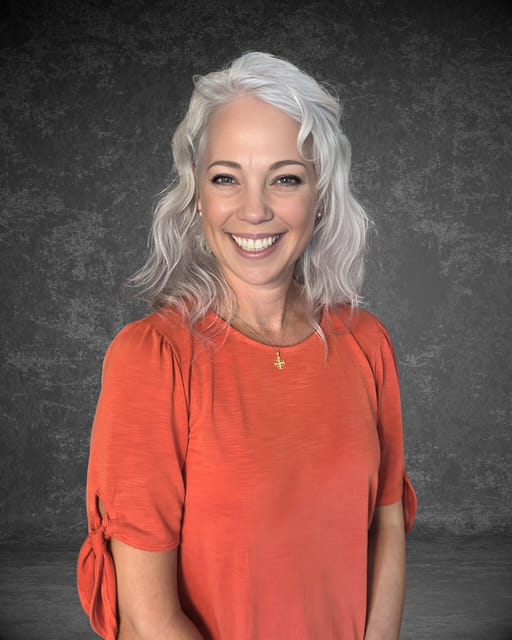
For Dena, this knowledge is also personal. Her grandchildren were in a home with active drug use and dangerous people (her daughter’s friends) coming in and out all the time. “There were registered active sex offenders in the home, and mom was incapacitated or absent, and kids were left in the presence of other drug users who were also sex offenders,” she said. Dena believes that the state isn’t being honest about the risks to children who are left in homes where active drug use is going on.
Another issue, Dena explained, is that parents have mental health issues that aren’t being properly treated. She said that the law only requires that mental health services are offered, but they are rarely mandated. “[A] parent can choose to accept or not accept services,” Dena said. “And then most of the families that I work with have parents who are not in compliance with recommended mental health care; so they’re not taking their meds, they’re not attending their groups, they’re not participating in therapy.” She said that most of these cases are not considered “risky enough” to remove kids from the home.
“We want to treat the addiction, but we’re not treating the mental health issues, and we’re leaving kids in these really chaotic, emotionally neglectful homes in the name of family preservation,” Dena said. “But these kids — they’re not living in a family. They’re living in really chaotic environments.”
One of the major changes to the law post-E2SHB 1227 is surrounding discrimination and injustices to minority populations in the state. The law was changed to address racial disparities, but Dena said the law overcorrected. Dena explained that previously, far too many minority children were being removed from their homes. Most foster families are Caucasian, and so most children are placed in white households, regardless of the children’s own racial makeup.
The lack of ethnic identity in these situations can be very harmful to children of color. But Dena believes that the new law is ignoring a lot of real harm that is happening to children, both white and BIPOC (Black, Brown, Indigenous, and other people of color).
Keeping families intact often means taking children from parents and placing them with other family members. But Dena said that this is not always a viable solution:
We know from the family systems perspective, it’s not the birth mom who is solely struggling, it’s her entire family system. This sort of rush to place with family members — I get it, as a goal. I mean, I have two of my grandchildren, and I’m beyond grateful that I was the placement. But I’m the exception.
Generally, if you have really disordered, addicted [people], struggling with mental health issues … their sisters are going to be somewhat similar, and so are their aunties, and so is their mom…
Washington state has also slowed down permanency — when final placements (adoptions) are made, according to Dena. She explained:
Within 18 months of CPS involvement, a child is supposed to have permanency. So that’s either a safe and final return home, or a termination of parental rights so that a child can be placed for adoption. The younger a child is, [it is] more likely they have adoption. What we’ve done in Washington is, we’ve slowed that process way, way down.”
Now children can come into care, said Dena, be returned home, and then the clock starts all over again when they reenter foster care. “I’ve known kids I can tell you horror stories [about] who have been in 40 placements in the first five years of their life.”
When Dena was a practicing mental health counselor in Washington, she accepted state insurance and was in contact with a lot of foster and adopted kids in the state. In her own experience, it took her much longer to adopt her older kids than her younger ones, largely because of changes in the law. Some kids are aging out of the foster care system before they can be eligible for adoption.
Dena believes the state is not serving children by continuing to keep them with parents who refuse to change. “We keep throwing services at parents, which is incredibly expensive,” she explained. “Which would be great if that expense paid off, but we’re not seeing it pay off. We’re not actually seeing that the majority of parents regain custody permanently; we’re seeing this sort of ongoing back-and-forth, [with] kids languishing.”
She said that keeping children at risk from a new permanent placement denies them the opportunity to form a secure attachment with a new family. “They're not getting that secure attachment with their biological parent who’s in and out, and in worst case scenarios is not showing up for visits, or showing up for visits high,” said Dena.
Dena said that it is heartbreaking for the foster families who keep trying to help the children, who are returned to their families then bounced back into the system. She said that this kind of instability leads to children having severe behavioral disorders, and makes adoption much harder. “So, we’ve got adoptive parents who are continuing to need ongoing services and support,” Dena said. “But then, also, we have failed adoptions because we’ve kept kids in a state of limbo for so long that by the time they finally get permanency, they’re eight or nine years old.”
The state does not reveal a child’s history to adoptive parents until they are placed for adoption. “Even then, sometimes the record is highly redacted,” Dena said. “We’re protecting the privacy of of the birth family, but then we’re discovering things down the road — like there was sexual abuse at the age of two in foster home number five, and that explains a lot about why they’re now acting out sexually as a five year old. [That] probably would have been good to know.”
Like Myjack and Jessica, Dena is most concerned that children that are dying now in Washington because of the changes to foster care law. She said:
There’s such denial about it. Even as more of these horrific deaths occur — that you know are clearly tied to this bill, because these are families where children would have previously been removed … and yet, nobody’s willing to say, “Oh, you know what? We had good intentions, really, but there were some things we weren’t aware of, and so we need to go back to the drawing board.” It shocks me that our legislators are so unwilling to humble themselves in the process of children dying.
Dena thinks that the biggest shift since E2SHB 1227 is in the DCYF’s priorities. “The state used to understand its role primarily as child-centric,” she said. “With Keeping Families Together, we’ve shifted to a parent-centric system ... Adults are the primary client recipients of care; and those who don’t have a voice, the children, are overlooked and are dying at increasing rates.”
In the process of researching this story, we reached out to Washington State Representative Chris Corry on June 16 regarding his ongoing efforts to fix E2SHB 1227 legislation. We have not yet received a reply.
A lifelong resident of Eastern Washington, Dori enjoys the outdoors, her family, and making good trouble. She has worked for many years in broadcasting and reporting and believes in the value of the 4th estate. She is a true community advocate that loves Washington.
