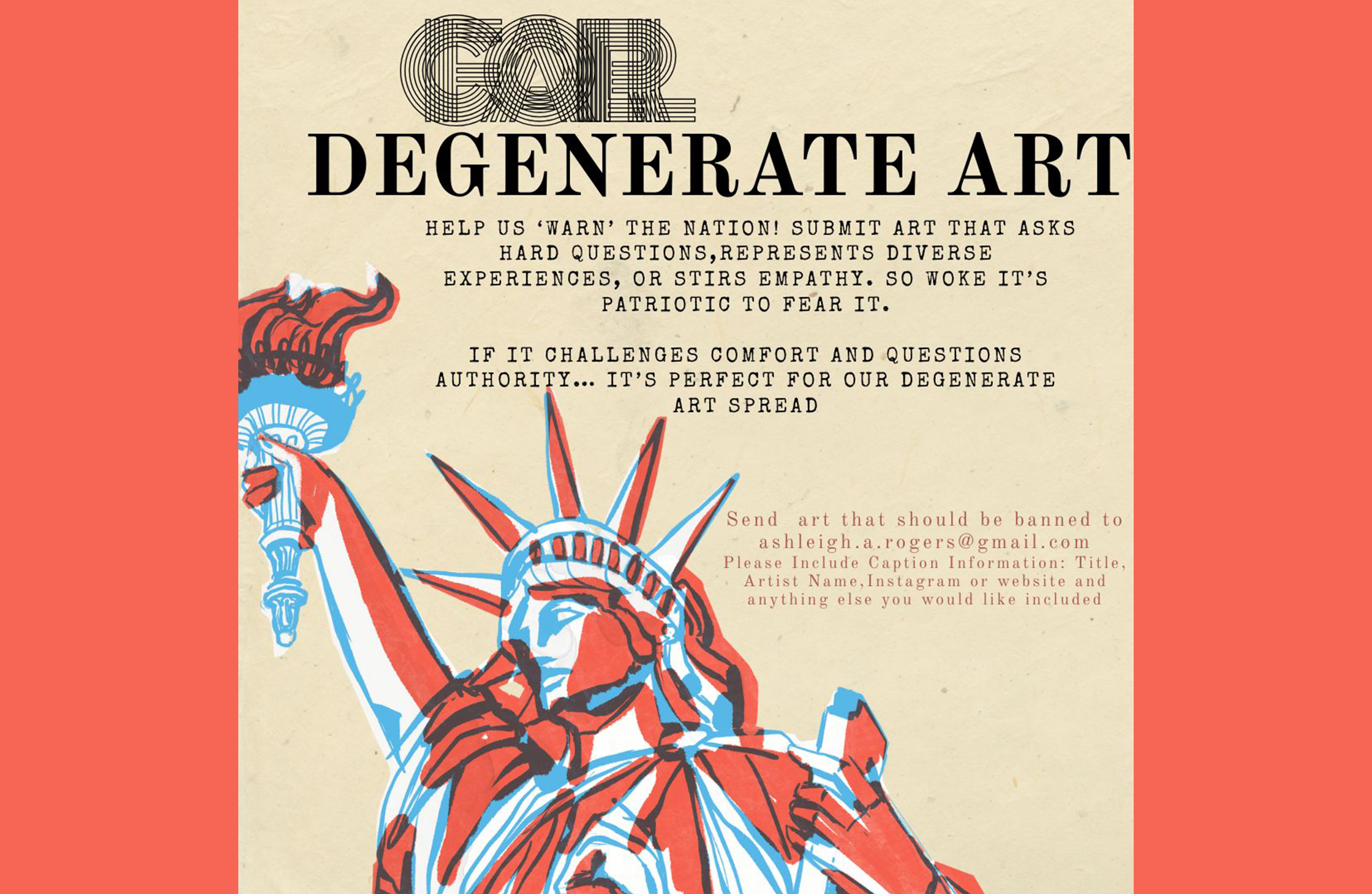
Imagine visiting a museum and seeing a painting that makes you uncomfortable, or arriving at work and being assaulted by the words “diversity” and “fairness” painted on the walls. Worse yet, imagine opening a book that describes an experience you have not had and don’t understand, turning on the TV to hear a joke that criticizes our infallible leader, or sending your child to school where they are taught that slavery was “all bad”!
Americans are being exposed to these corroding poisons every day, and it is our job as patriots to preserve the purity of this great nation by eliminating the threat of WOKE art. Fortunately, we have excellent frameworks available for modelling a foolproof defense against degenerate art that has a proven success rate of 100 percent.
Art should never make you uncomfortable; its only job is to reflect the superiority of this great nation, and make us feel good about ourselves (and by us, of course I mean white, God-fearing American patriots). Here are the steps we can take to eliminate the ‘antifa’ artists and ‘enemies within’ who want to corrupt our children with dangers like inclusive paintings or books about diversity.
STEP ONE: Identify the threat.
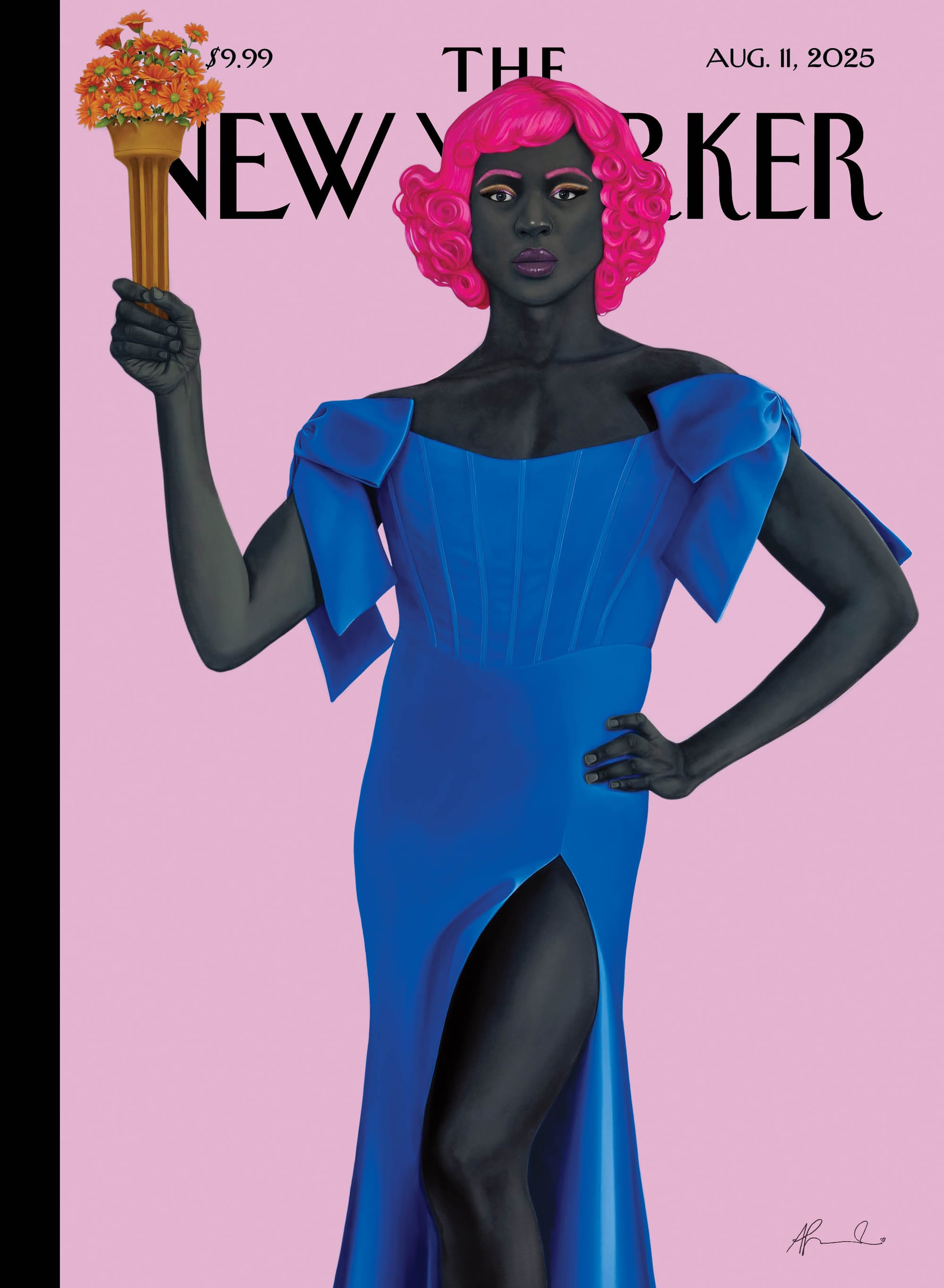
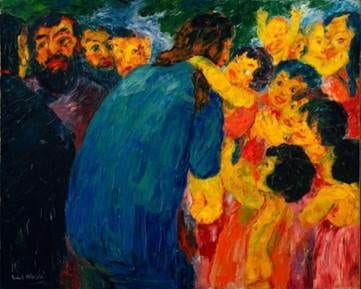
Define what is considered dangerous art. Remember, this definition does not have to be perfect, or even consistent; artwork can be dangerous because it challenges comfort, authority, powerful figures, or the status quo. It is problematic if it reflects positively on groups we are trying to dehumanize or vilify, or shines too harsh a light on policies and institutions we really don’t want to change.
A few helpful questions when determining if art is dangerous:
- Are there people depicted who don’t look like me?
- Does it depict a scene that may lead viewers to believe The United States isn’t the BEST?
- Does the artwork evoke empathy?
- Does it challenge anything I’ve ever thought?
- Is there anything in the artwork that could be seen as a critique of our fearless leader?
- Does it imply that LGBTQ+ people exist?
- Does it show women in any position of power?
- Does it challenge capitalism?
- Does the artwork depict colonialism without glorifying it (or otherwise depict history accurately, but unflatteringly)?
- Does it reference science?
- Is the artist someone other than a straight, white, cis man?
- Does it reference cultures that are not ‘American’ (as per the Trump-endorsed definition of ‘American’)?
If the answer is YES to any of these questions, you are in danger.
STEP TWO: Sound the alarm.
Once you have determined that a work of art poses a threat, use words like ‘WOKE’, ‘unpatriotic’, ‘anti-American’, ‘divisive’, and ‘radical’ when describing it. This approach works best if your chosen description is repeated over and over again, very loudly and very publicly.
Avoid defining your own actions as ‘censorship’ or ‘control’; instead, tell the people that we are protecting them — that we are purifying the sickness in our culture.
Some good examples:
“NO MORE DRAG SHOWS, OR OTHER ANTI-AMERICAN PROPAGANDA — ONLY THE BEST.” — Donald Trump
“From now on, we will wage a relentless war of purification against the last elements of our cultural decay!” — Adolf Hitler
"Art is a weapon of the Revolution."— Fidel Castro
“There can be no free, independent art standing above society, as if it were above this society. Artists — they just are not wanted. Yes, these people cannot exist.” — Joseph Stalin
“The Museums throughout Washington, but all over the Country are, essentially, the last remaining segment of “WOKE.” The Smithsonian is OUT OF CONTROL, where everything discussed is how horrible our Country is, how bad Slavery was, and how unaccomplished the downtrodden have been — Nothing about Success, nothing about Brightness, nothing about the Future. We are not going to allow this to happen, and I have instructed my attorneys to go through the Museums, and start the exact same process that has been done with Colleges and Universities where tremendous progress has been made. This Country cannot be WOKE, because WOKE IS BROKE.”— Donald Trump
Remember to emphasize in all discourse that artists, journalists, comedians, authors, independent media, and any other purveyor of culture who question authority (or tell unflattering truths) are ATTACKING America; they are RADICAL and WOKE.
STEP THREE: Gain control of the arts.
Now that we have sounded the alarm and created a climate of distrust, disgust, and fear of WOKE art and culture, we have to assert control over individuals, groups, and institutions who continue to counteract our hard work.
One proven step toward eliminating WOKE art to create an official group in charge of monitoring the arts scene and destroying threatening works. This worked well during the Cultural Revolution in China, where Mao Zedong used a group of students called the Red Guards, charging them with the task of finding "feudal" and "bourgeois" influences in society. The Red Guards did the important work of destroying many cultural artifacts, artworks, and books to protect the people from thinking and feeling. Adolf Hitler created the Reich Chamber of Culture, and required all artists be members so their work could be monitored.
This, of course, could only take place after a long campaign focused on making sure the public understands that any art that is critical of society or difficult to understand is an inherent threat — “the product of a Jewish-Communist-cosmopolitan-intellectual culture undermining the nation from within.” (news.artnet.com/art-world/degenerate-art-show-lessons-2696741)
We still have much to do, but don’t worry we are off to a great start! Thankfully, our president is already fighting “the enemy within.” Trump has worked hard to protect the American people from anti-American propaganda. His social media expertise certainly gave him a leg up, but having an official list with examples of threatening artwork is so helpful. Luckily, Trump started one here: whitehouse.gov/articles/2025/08/president-trump-is-right-about-the-smithsonian
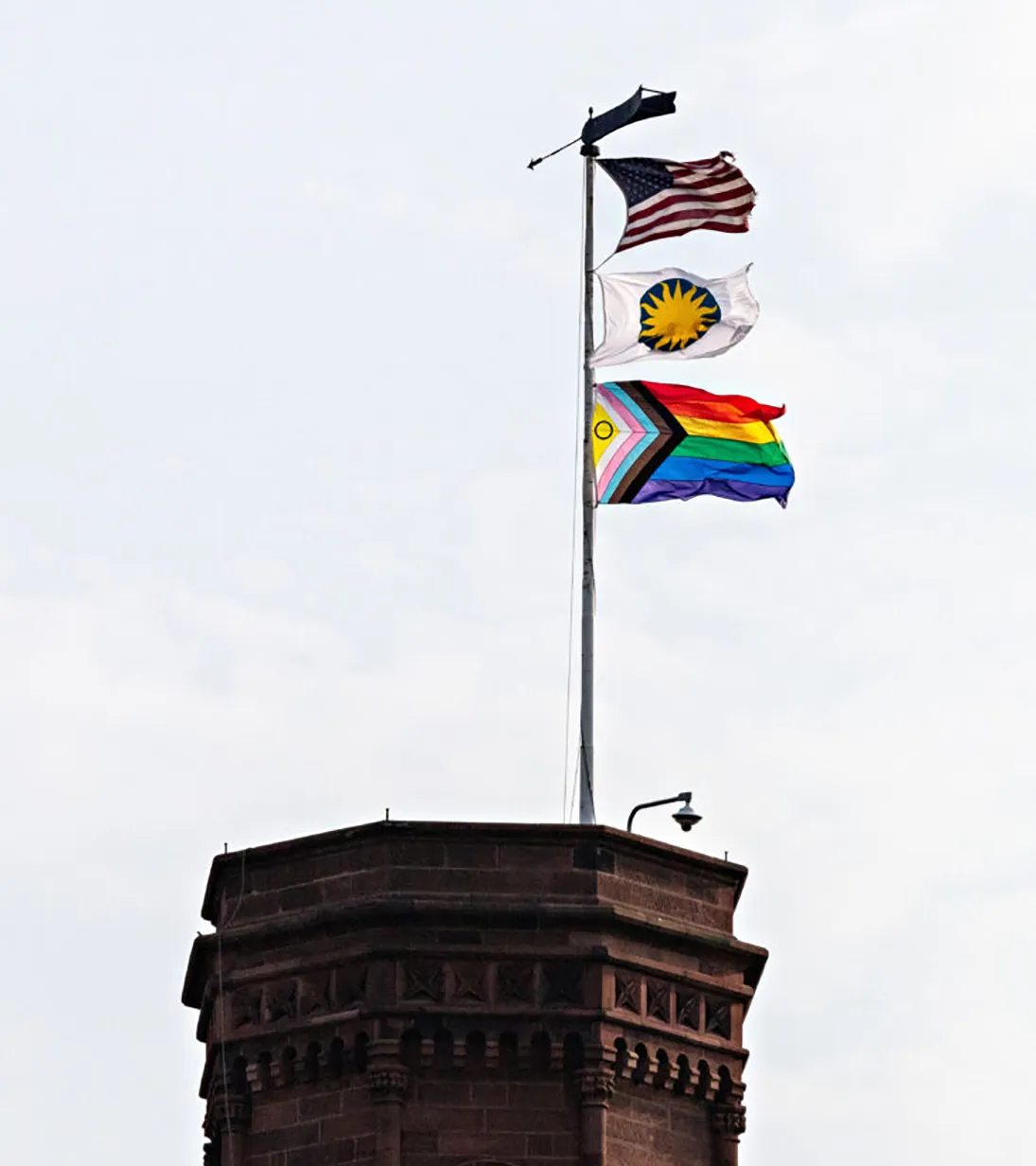
Some of the biggest threats to our children and our heritage — found during Trump's investigation of public museums — include a pride flag (not to be confused with a confederate flag; those are allowed), an LGBTQ+ History exhibit, artwork depicting immigration, artwork depicting a fictional feminist society, artwork which depicts Latinos and Latinas with disabilities, and a portrait of Anthony Fauci.
This list is a solid start; it helps to remind us which works of art are dangerous. Trump is already discussing further steps he plans to take to protect the children from art, like taking over the Kennedy Center, disbanding the President's Committee on the Arts and the Humanities, issuing executive orders (like ‘Restoring Truth and Sanity to American History’). These actions will allow him to gut dissenting views from our cultural institutions. Some museums, like the Smithsonian, are unfairly characterizing our efforts as “censorship” and “whitewashing”. The truth is that Trump only wants to restore it as “a symbol of inspiration and American greatness.”
Though Trump cannot yet imprison, exile, or execute the degenerate artists undermining our great nation, he can use public shaming, financial consequences, threats, coercion, and control of institutions to influence what artwork we see and do not see.
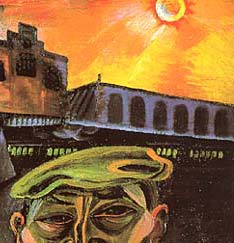
STEP FOUR: Replace WOKE art with ‘good’ art.
Since we all agree that art cannot be neutral and is either good or WOKE, after eliminating immoral art from all public institutions, we have to go about replacing it with good art. Financial coercion is a great start since Trump now has the power to decide who will receive federal funding (which many degenerate artists rely on), and he can eliminate artists who make work that has anything to do with dangerous topics like equity, diversity, inclusion, gender, or climate change from seeing the light of day.
The government can also direct those funds to more productive artwork — artwork that celebrates America. For example, the theme of The Kennedy Center gala this year was "Celebrating American Exceptionalism”. It featured prominent Trump allies and celebrated the amended grant opportunities through the National Endowment for the Arts, including a grant for The National Garden for American Heroes. Don't worry; Trump has kindly spelled out which “heroes” can be included!
For more tips on how to protect upstanding Americans from artwork that poses a threat to fascism patriotism, purity, and heritage, remember that we have some excellent playbooks to work from!
Great Proletarian Cultural Revolution
The Great German Art Exhibition
State Mandated Socialist Realism
Cultural erasure under the Khmer Rouge
Censorship under the Pinochet regime
State controlled art under the Kim Dynasty
References from this article can be found at tumbleweird.org/degenerate-artists-references
This satirical look at historical (and current) art censorship was written by Ashleigh Rogers. Ashleigh is an artist, art instructor, and facilitator in Tri-Cities, Washington. Her work explores the themes of connection and intergenerational stories through experimentation in painting, photography, installation, and sculpture. Ashleigh is passionately dedicated to facilitating accessible arts programming in her community.
www.ashleighrogersart.comfb.com/AshleighRogersArt instagram.com/ashleigh.a.rogers
