
Photo by Lampos Aritonang
As Easter Sunday approaches, I imagine a globe — not one marked by oceans and continents, but one illuminated by the sanctuaries that have shaped the spiritual life of Black America.
I spin it slowly.
My finger lands first on Ebenezer Baptist Church in Atlanta, where the voice of Dr. Martin Luther King, Jr. once echoed through the sanctuary with sermons that were like prophecy and protest. Then I move to Abyssinian Baptist Church in Harlem, a historic pillar of Black faith and community leadership. I pause at 16th Street Baptist Church in Birmingham, a sacred space marked by tragedy, but strengthened by unwavering faith. My thoughts drift to Mother Bethel AME Church in Philadelphia, founded by Richard Allen, which served as a vital hub for the abolitionist movement. Then I land at Dexter Avenue King Memorial Baptist Church in Montgomery, where sermons once stirred the hearts of people preparing to march toward justice.
But the globe doesn’t stop spinning. It lands in the smaller, quieter places too.
Where a mother still leans over and whispers to her child, “Sit still.”
Where a deacon still clears his throat before beginning prayer.
Where an usher still stands faithfully at the door greeting each person as they walk into the sanctuary.
Where someone’s grandmother is still whispering prayers for the entire family.
These churches are more than buildings; they are monuments to resilience.
Look closer, and you’ll see stories of the pastors who shaped generations: Dr. Martin Luther King, Jr, Reverend Jesse Jackson, Reverend Gardner C. Taylor, Bishop T.D. Jakes, Reverend Al Sharpton, Reverend Jamal Bryant, and countless others whose names may never appear in textbooks but whose sermons carried families through grief, hardship, injustice, and hope.
Their voices still echo.
And then the soundtrack begins.
I hear ‘Total Praise’ by Richard Smallwood rising toward cathedral ceilings.I hear the congregation humming ‘Soon and Very Soon’.Someone in the choir lifts the room with ‘Because He Lives’.And somewhere in the background, there is always that one voice holding tightly to ‘Amazing Grace’.
The organ swells.
Tambourines shake.
The sanctuary comes alive.
The heat inside the church presses gently against our skin — not just from the crowded pews, but from the spirit moving through the room. It’s the kind of warmth that has nothing to do with the weather outside and everything to do with faith stirring within.
And of course, we come dressed for the occasion.
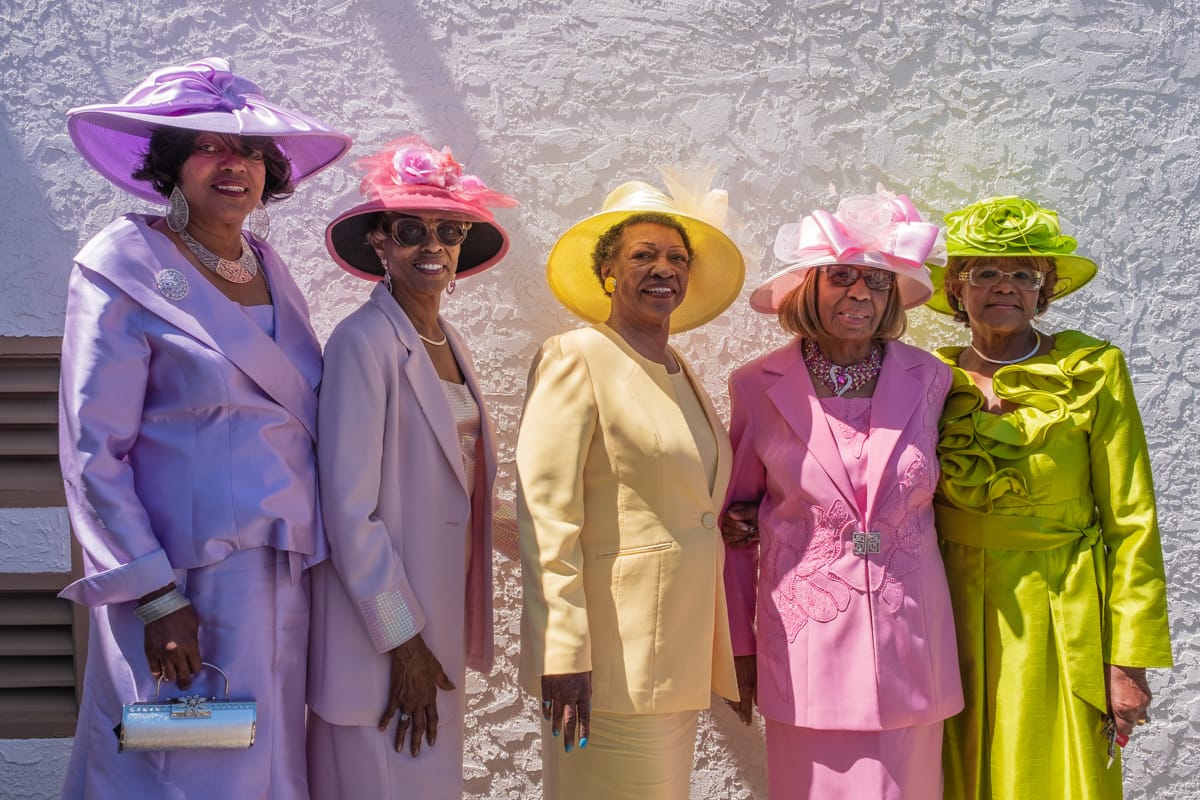
Women glide through the aisles in wide-brimmed church hats, pastel suits, lace dresses, pearl necklaces, and heels clicking rhythmically across the church floor. Men stand tall in pressed suits, polished shoes, bright ties, and cufflinks shining beneath the sanctuary lights.
Even the air carries familiar traditions.
You can smell fresh perms, hot combs, hair grease, and silk presses lingering softly throughout the sanctuary.
Across the room, pearls catch the light from stained glass windows.
Women smooth their skirts.
Men straighten their ties.
And the children… well, the children are children.
They wander through the pews searching for peppermints and candy hidden inside pockets and purses, like little treasures waiting to be discovered. Their faces shine so brightly you can almost see your reflection in them, thanks to their parents sending them to church with half a jar of Vaseline layered across their cheeks and foreheads.
Grandma sits quietly at the end of the pew.
When the offering plate comes around, she slowly reaches into her bra and pulls out the last twenty dollars she has, pressing it gently into the plate with faith that God will provide again tomorrow.
The pastor begins to pray.
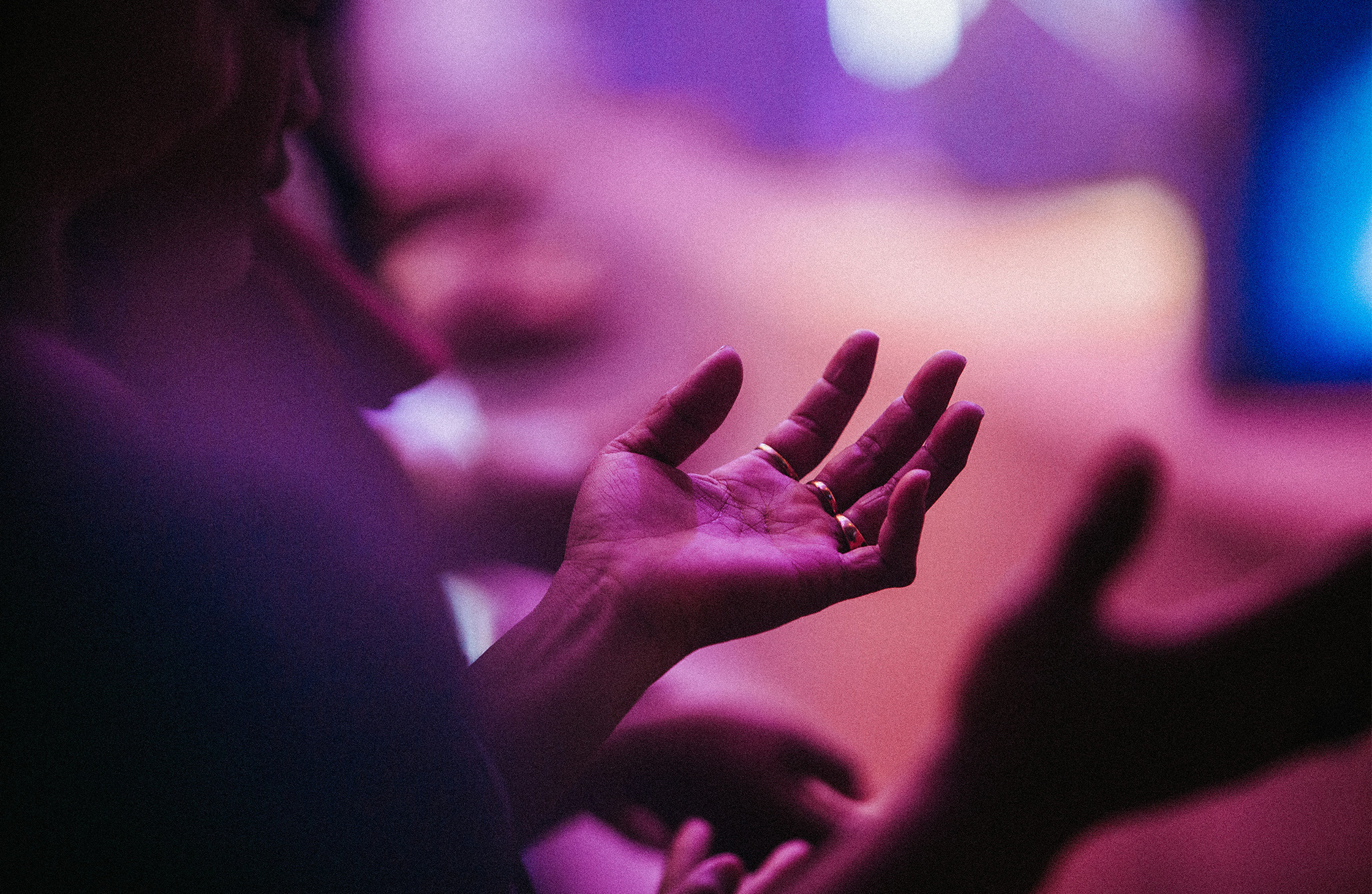
Hands lift into the air.
Someone shouts, “Amen!”
Another voice cries, “Thank you, Jesus!”
The pastor walks through the sanctuary, drawing the sign of the cross across foreheads. Some people sway gently, others fall backward into the steady arms of church mothers standing ready behind them.
And when the first lady catches the Holy Ghost, the ushers rush forward with a white blanket, covering her shoulders while the congregation continues to sing.
Because in the Black church, worship is not quiet.
It is movement.
It is memory.
It is history breathing through every hymn and every prayer.
Easter Sunday in the Black church is a living testimony. It is the remembrance of grandmothers who prayed us through storms, pastors who preached us through pain, and communities who reminded us that faith could carry us through anything.
And when the choir finally sings ‘He Rose’, we are reminded that resurrection is not just a bible story.
For Black people, resurrection has always been a way of life.
Anyla McDonald aspires to become a poet, short story writer, and essayist speaking about racism against Black people, current world problems, and hot topics. When she writes, she does it with purpose and passion. She feels destined to touch others with her words, and wants to be known as someone who takes a stand and impacts lives with her writing.
Anyla offers consulting services to Black student unions, student governments, school boards, superintendents, parents, and teachers facing social challenges within their institutions. She assists them in developing and implementing policies and activities aimed at preventing discrimination.
