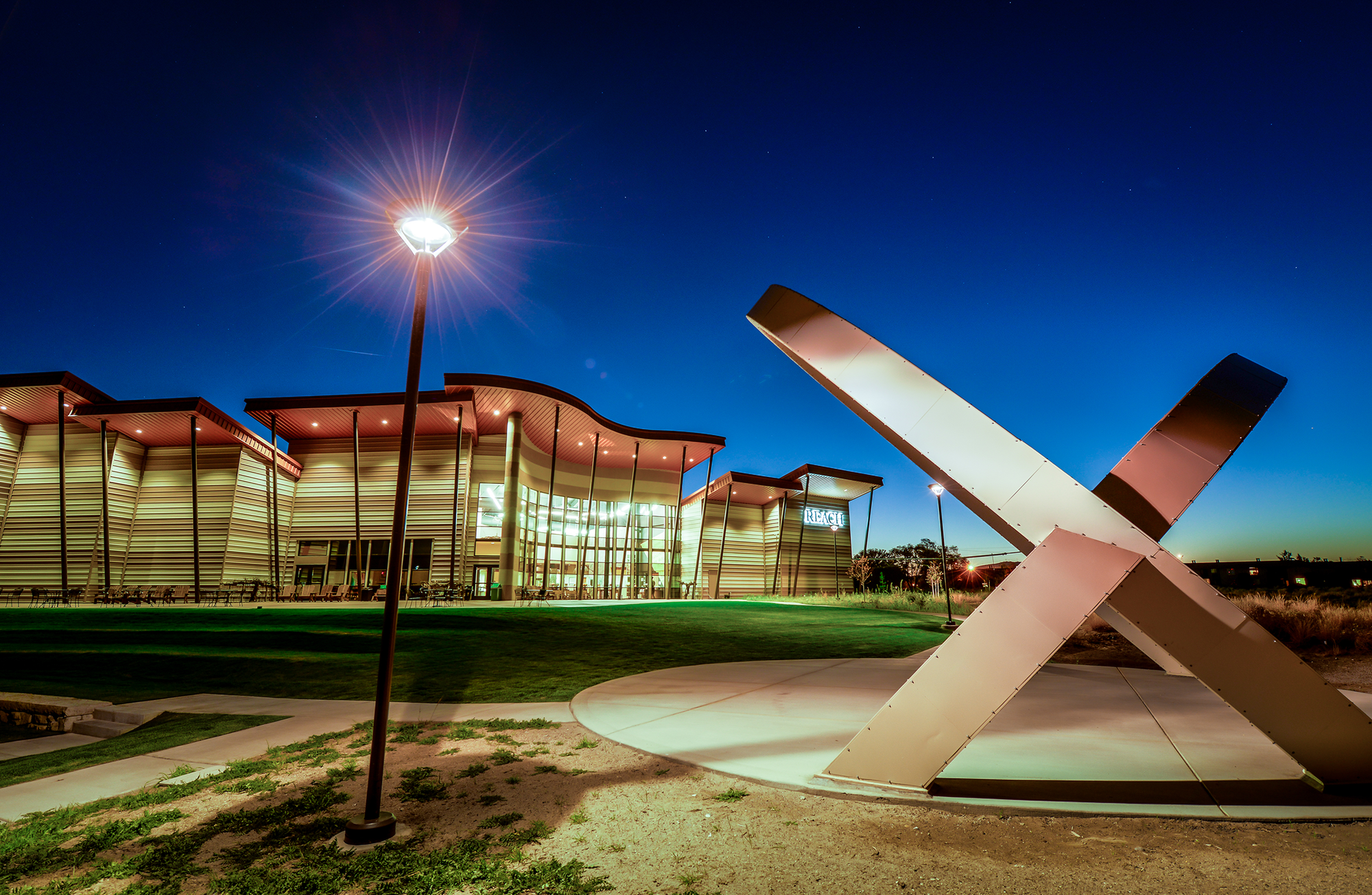
Photo by Scott Butner
New Hanford Reach Solar System connects an 80-mile regional science experience.
Narrated by Morrigan Crowe
The Hanford Reach Solar System is an 80-mile regional science experience that currently includes fifteen installed orbital markers. The April 2026 project launch included a new website, plans for additional public installations, and an expanded educational Passport experience that encourages students, families, and other explorers to visit participating locations, discover the scale of our Solar System, and connect with communities throughout the region.
Now, SILAS Education's ‘Complete the Sun’ Giving Tuesday campaign has a $3000 goal to support a permanent basalt-and-steel Sun marker on the campus of the REACH Museum in Richland. The new marker will accompany the existing 40 Solar Arches and give visitors a clearly identified place to complete the Sun stop on their Hanford Reach Solar System Passport.
“This project has always been about helping people see their own community as a place for discovery and curiosity,” said Trevor Macduff, founder of SILAS Education. “We have the Solar Arches, and now we want to complete that first stop with a marker explorers can find, learn from, and use with their Passports.”
Information about the Hanford Reach Solar System can be found on their project website, hanfordreachsolarsystem.com, which brings together information about the model, installations, Passport exploration, and ways to participate. SILAS is also developing place-based learning opportunities, including field experiences with community partners.
The Giving Tuesday campaign culminates Tuesday, December 1, 2026. Donations of any size can be made through SILAS Education's nonprofit campaign: hanfordreachsolarsystem.com/#complete-the-sun
SILAS Education is a nonprofit organization developing accessible place-based STEM learning experiences through partnerships with schools, community organizations, businesses, and public spaces. Its flagship Hanford Reach Solar System connects the Mid-Columbia region through scaled planetary installations, educational Passports, and hands-on exploration.
