
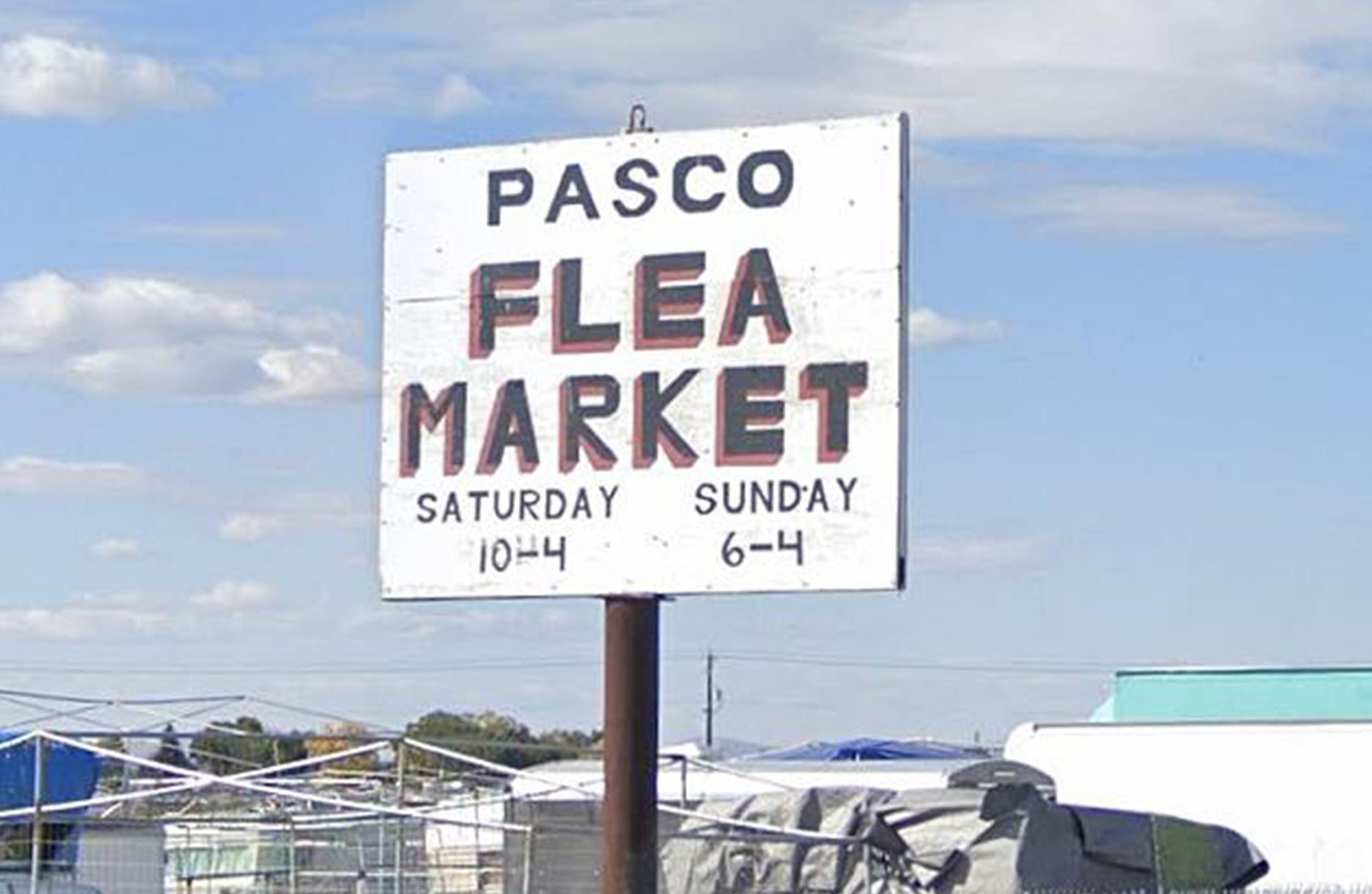
Photo from Google Street View
This article is bilingual! Scroll down for the English translation.
Es el cierre de 2025 y el inicio de 2026, y desde que esta nueva administración comenzó su camino, hemos sido testigos de una gran obra de cambio desde Washington D.C. Ciertas promesas de campaña se están cumpliendo respecto a la expulsión de una enorme porción de la población (aunque con ciertas parcialidades y características inconstitucionales). Debo admitir que muchos de nuestros amigos latinos e hispanos votaron para que este cambio se lograra, supuestamente en servicio de mejorar por fin la economía que tanto nos impacta; e igualmente, para que la migración de criminales indeseables se detuviera de una vez por todas. Después de todo, no hay nada más hispanoamericano que legalizar nuestro estatus migratorio y ganar inmediatamente el privilegio de odiar a otros migrantes que vienen después de nosotros.
Estaba en el estudio cuando Gloria Mendoza, la Representante Estatal Republicana por el Distrito Legislativo 14 de Washington, dio una entrevista de radio en KQFO. Habló de cómo ha trabajado lo suficientemente duro para merecer vivir en EE.UU.; como si este país fuera una meritocracia.
Las noticias nos decían una y otra vez: a ICE solo le preocupa encontrar criminales para deportar. Pero ¿qué pasó cuando comenzaron a detener a personas que nunca habían cometido un delito? Todd Lyons, el principal líder de esta organización gubernamental, salió a decir que todo ser ilegal en este país es un criminal solo por estar sin documentos. Bueno, ahora entendemos que todos estamos bajo el microscopio. Incluso personas como el Sr. Sae Joon Park, un veterano de guerra que vivió en EE.UU. toda su vida, casi 50 años. Decidió auto-deportarse después de que un oficial de inmigración le dijera que de todos modos sería deportado por la fuerza del país, a pesar de que en el Senado, la Secretaria de Seguridad Nacional Kristi Noem, que coloca su misión mesiánica de deportar a todos los inmigrantes del país por encima de los derechos de la carta constitucional, dijo que no deportaría a veteranos militares.
Y también está el caso de Leticia Jacobo, una nativa americana de la comunidad Salt River Pima-Maricopa en Arizona, que fue detenida en Iowa por oficiales del condado y luego llevada bajo custodia de agentes federales para ser procesada y deportada. ¿Y la razón de su detención? El Des Moines Register informa que Jacobo iba a ser enviada a México —“una tierra que nunca ha visto, con la que no tiene conexión y de la que no habla el idioma. Aparentemente, por ninguna otra razón que su apariencia como un 'otro' de piel morena y cabello negro”. Jacobo solo se salvó de esta expulsión ilegal tras una ardua búsqueda de sus horrorizados familiares, quienes demostraron que Leticia Jacobo nació efectivamente en el país, y no solo nació en el país como los hijos de colonos e inmigrantes europeos —ella es parte del linaje de los verdaderos Nativos de estas tierras.
Al igual que en estos casos, se han presentado en redes sociales una gran cantidad de videos de personas detenidas —incluso ciudadanos— que son arrestadas debido a perfiles raciales. Los arrestos y la violencia contra personas que protestan por estas prácticas también han aumentado drásticamente. Es una gran desgracia ver tantos casos de violencia policial y violaciones a los derechos humanos en nuestra comunidad; y más que nada, corroborar que el odio es lo que impulsa a diario a la mayoría de los agentes de inmigración cuando se trata de detenciones sin información adecuada.
Los números
Todos tenemos acceso a los datos presentados por la agencia de Aduanas y Protección Fronteriza de EE.UU. (CBP) con las estadísticas y tendencias. Quiero aclarar que, aunque estas estadísticas solo llegan hasta septiembre de 2025, las cifras ya son récord, tal como se esperaba:
De 59,207 detenidos, el 28.7 por ciento tiene antecedentes penales, el 25.4 por ciento tiene cargos penales pendientes en los tribunales de su condado, el 46.9 por ciento está catalogado como “otros infractores de inmigración” y el 10.7 por ciento está siendo ‘acelerado’ para la deportación.
Es alarmante saber que el mayor porcentaje de personas está siendo arrestado por razones no reveladas, atrapado en el limbo de una escasez de claridad informativa.
Abril y junio han sido, según un informe de NBC News, los meses con mayor número de deportaciones: abril con 16,000 y junio con alrededor de 18,000 deportaciones ‘exitosas’. Y aunque la administración sigue afirmando que las deportaciones solo tienen como objetivo a “lo peor de lo peor”, sabemos que hay casos —muchos más que los ejemplos aquí escritos— que hablan de lo contrario. Al Jazeera informa que el 73% de los detenidos por ICE nunca han sido condenados por un delito.
Y esta carrera desenfrenada hacia un país étnicamente ‘limpiado’ no muestra señales de desaceleración. La inversión en equipo táctico y el aumento de personal para ‘proteger la frontera’ continúa incrementándose, y la Patrulla Fronteriza de EE.UU. ahora ofrece incentivos para reclutar y retener oficiales.
En un análisis del gasto gubernamental en control migratorio y seguridad fronteriza, el American Immigration Council informa: “Los aumentos en fondos para el control migratorio han superado significativamente los fondos para los sistemas humanitarios y de adjudicación de Estados Unidos”. Mientras el gobierno gastó $424 millones en nuestra división de refugiados y asilo de Servicios de Ciudadanía e Inmigración (USCIS) y $840 millones en el sistema de tribunales de inmigración, gastó la asombrosa cantidad de $3.43 mil millones en centros de detención migratoria. Está muy claro qué prioriza este gobierno cuando se trata de la ciudadanía estadounidense.
Repercusiones locales
Este tema de la deportación se ha convertido, en nuestra pequeña comunidad del Este de Washington, en una forma no solo de observar la realidad de la sociedad en que vivimos, sino que también ha sacado a relucir los aspectos más crueles e hipócritas de muchos líderes, así como de personas con las que solíamos vivir nuestro día a día en paz. Siento que este es uno de los resultados más inquietantes de todo este movimiento anti-migrante que se ha generado y aumentado su impacto a lo largo de 2025.
Observando los arrestos, así como la cobertura de los medios de comunicación, me gustaría compartir mi análisis de cómo las Tri-Cities, Yakima, Spokane y las áreas rurales cercanas están siendo afectadas social y económicamente. Como sugiere el título de este artículo, estamos entrando en un tiempo de crisis económica, que llega poco a poco, de abajo hacia arriba. Los de abajo están siendo engañados ideológicamente, y los de arriba siguen aprovechándose de los de abajo.
En marzo de 2025, vimos el comienzo de una estrategia para aterrorizar a la población migrante. Los medios tradicionales, junto con los medios digitales (que no tienen protección concreta de contenido contra la creación de noticias falsas, o creadores de contenido que no han sido verificados), comenzaron a circular las primeras fases de algo que sin duda tuvo un gran impacto en la psique del residente común. De repente, nuestros feeds de noticias se inundaron con imágenes de personas siendo arrestadas en Pasco, Yakima, Sunnyside y Granger —videos de oficiales siendo violentos, y personas entrando en pánico y resistiendo. Circulaban rumores sobre hombres armados y encapuchados secuestrando gente en la calle, y advertencias de no salir a trabajar o a la iglesia llenaban nuestros algoritmos. Miembros de nuestras propias comunidades los compartían por miedo.
Por supuesto, este material está dirigido a ciertos públicos —al público. Entre estos públicos estaban miembros de la comunidad que condenaban estos actos, y algunos que temían (o aún temen) que les pudiera pasar a ellos; y del otro lado estaban aquellos que agradecían el esfuerzo de los agentes de ICE por echar a todos los mexicanos de la ciudad. Y por supuesto, digo mexicanos como forma de generalizar, porque para muchos de ese último grupo, los mexicanos son los únicos inmigrantes, independientemente de la verdadera nacionalidad de un detenido.
Así, con esta campaña de miedo en pleno apogeo, después de un par de semanas, las calles experimentaron un cambio notable. La campaña fue efectiva; con ella, el flujo de personas que salían a disfrutar del mercado de pulgas, las tiendas, las fiestas y las barbacoas en parques públicos disminuyó. El miedo comenzó a seducir a la mayoría, revelando que estos condados están sin duda mayoritariamente poblados por inmigrantes latinos.
Y dirás, “Bueno sí, claro. Obviamente, con todo el mundo asustado, nadie va a salir”. Pero lo que no era tan obvio era que el problema comenzó a fragmentarse.
El bendito Facebook
Como mencioné anteriormente, muchos de los videos e imágenes que se compartieron fueron creados por miembros de nuestra propia comunidad. Muchas de estas imágenes y videos eran falsos; hubo quienes grabaron en tiempo real lo que sucedía, pero algunas de las detenciones que se mostraban no eran de inmigración; eran detectives, sheriffs y policías locales trabajando juntos para arrestar a personas con órdenes de arresto. Asimismo, se compartieron imágenes de otros estados. Alcon Media informó sobre un video, supuestamente de una redada de ICE en Pasco que, tras una investigación minuciosa, se observó que contenía palmeras. Ese video en particular no era de aquí para nada. Era de Florida.
Las redes sociales se inundaron con más y más imágenes y videos, algunos de los cuales incluso se transmitieron en noticieros locales, alertando al público sobre avistamientos de ICE. Pero mientras algunos de estos provenían de un genuino deseo de ayudar a los inmigrantes, nunca se señaló un problema muy grave. Difundir el miedo es una parte fundamental de la campaña de terror de esta administración; por lo tanto, compartir información falsa sobre redadas de ICE solo ayuda a quienes están llevando a cabo esas operaciones.
Trabajamos con José Flores de Indivisible Tri-Cities para investigar rumores de que ICE iba a realizar redadas en algunos de los huertos de manzanas locales el último día de cosecha. Puedes imaginar las devastadoras consecuencias si los trabajadores tuvieran demasiado miedo de venir a trabajar a cosechar las manzanas. Determinamos que nuestra tarea era responder con información adecuada, invitando a la gente a no entrar en pánico y a no compartir información no verificada. Incluso las personas bien intencionadas que terminan compartiendo información falsa se convierten en parte de la estrategia de desinformación mediática al servicio del terror colectivo.
En primer lugar, desde 2014 a la fecha, el crecimiento de las empresas productoras de fruta en el estado de Washington ha sido posible en gran parte gracias a los trabajadores temporales con visas H-2A (una visa que desglosaremos más adelante, ya que ha sufrido muchos cambios y generado mucha conversación sobre la representación política en el estado). Se estima que solo este año, más de 28,000 personas —más del 50% de todos los trabajadores agrícolas del estado— están aquí desde México con visas H-2A, según estadísticas del Servicio de Investigación del Congreso. Así que el riesgo económico y político, así como el conflicto comercial, tendrían repercusiones significativas en el estado de Washington.
También debemos considerar el conflicto diplomático que podría resultar con México si no cumplimos con las visas de los trabajadores, como lo que sucedió con Corea del Sur cuando más de 500 ingenieros y trabajadores de una planta de Hyundai fueron detenidos por ICE —incluso aquellos con residencia y permisos de trabajo— con la intención de deportarlos a Corea del Sur.
Todo esto no quiere decir que debamos descartar el buen uso de las redes. Así como hay quienes buscan difundir el miedo, u otros que solo quieren likes y atención para su contenido, hay creadores que se informan y se mantienen objetivos, cuyo propósito es aportar información que realmente ayude a las personas.
Pero como vemos en línea (especialmente en el bendito Facebook), muchísimas personas en nuestra comunidad no saben diferenciar un video real de un contenido paródico o fraudulento; o más peligrosamente, de videos de inteligencia artificial moderadamente avanzados. Estas personas están en peligro de compartir videos sin saber que son falsos, y convertirse involuntariamente en parte de la máquina que las está depredando.
Es aquí donde mi análisis del aumento de detenciones en 2025 encaja perfectamente. El caos de estas detenciones condujo a una crisis de la razón, que también llevó a un aumento de la paranoia.
Derrame económico
En este momento, es muy importante apreciar el gran impacto social y económico que conlleva injertar el miedo en las comunidades de mayor derrame económico. Como sabemos, la comunidad hispana es buena para la economía de Washington; consume localmente, genera efectivo y genera empleo. Pero este año pasado, el diagnóstico económico fue una caída en los ingresos por familia en el estado, y también en las ganancias de negocios familiares, en su mayoría pequeñas empresas y restaurantes.
En junio, visité el mercado de pulgas de Pasco en varias ocasiones, visitando a vendedores que conozco desde hace algún tiempo y otros que son parte del personal de este pequeño mercado. Caminando de la mano con mi hijo, observé que el flujo de personas no era el mismo que en temporadas pasadas; algunos pasillos solo tenían un par de negocios abiertos. Debido al miedo inducido hacia ICE, muchos evitaron el riesgo de ser vistos en público. Y así el bendito Facebook también hizo lo suyo: grupos de ventas y grupos de noticias locales en Facebook, junto con líderes locales, exacerbaron este miedo con anuncios y advertencias infundadas, aconsejando a la gente no salir porque ICE estaría allí realizando redadas.
Debes saber que la mayoría de las personas que alquilan un puesto en el mercado de pulgas lo hacen pagando por toda la temporada por su lugar, y no hay oportunidad de reembolso. Por lo tanto, la promoción del miedo fue devastadora para las familias que querían llevar pan a sus mesas. En todos los meses que fui al mercado con mi hijo, nunca vi la presencia de ningún agente ni ningún movimiento extraño. Pero sí observé que cada semana, menos vendedores llegaban al mercado. Cada vez más puestos estaban vacíos.
Cuando la gente no recibe pago, no puede gastar dinero en la economía local. Necesitamos hacer un análisis más profundo de la huella económica de la población inmigrante local, y del gran vacío que la desinformación y el miedo podrían causar.
Para julio, las deportaciones en el estado de Washington ya habían aumentado un 12%, y comenzaron a producirse videos y noticias en The Latino Herald de Seattle, una fuente de noticias que tiende a hacer una cantidad decente de investigación, sobre redadas en Vancouver, Everett y otras ciudades del Puget Sound, haciendo que la gente sintiera la realidad de la migra acercándose cada vez más.
Ahora, teníamos más que videos y fotos sin editar. Y mientras las noticias de las redadas reales de ICE aumentaban, también lo hacían las noticias falsas sobre redadas inventadas. Bailes, fiestas y otros eventos comenzaron a verse cada vez más vacíos; los lugares de conciertos y música comenzaron a ser el objetivo de estafas que promovían el miedo. Aquí, el bendito Facebook entró en juego nuevamente, llenándose de alertas sobre inmigración apareciendo en restaurantes, rodeos, lugares de música y bares. Los negocios y organizaciones locales rápidamente comenzaron a mostrar los estragos de estas campañas de desinformación.
Chivo expiatorio inmigrante
Sumando estos factores, el caos digital y la guerra comercial que se libraba a nivel federal — una estrategia que aumentó los precios y redujo el poder adquisitivo de la clase trabajadora — hicieron mucho más clara la división de clases sociales. La clase gobernante hizo lo que siempre hace: echarle la culpa a un enemigo común, desviando la responsabilidad de sí mismos. ¿Por qué él tiene lo que yo no tengo?
El enemigo común es el inmigrante, y el verdadero culpable de la crisis económica son los gobiernos que no se permiten administrar estrategias económicas justas. Pero como el gobierno necesita un enemigo común. Mientras nos culpemos unos a otros, no los culparemos a ellos.
Continuando con nuestro análisis de la perspectiva económica regional, a principios de 2024, un análisis de D. Patrick Jones proyectaba que el área de las Tri-Cities mantendría una tendencia de crecimiento sostenido. El análisis luego destacaba las claves del desarrollo económico y proyectaba una clara tendencia al alza para 2025, con oportunidades significativas en crecimiento poblacional, acceso a la vivienda y un esquema fiscal ajustado a la realidad local.
Sin embargo, para finales de 2025, los datos han revelado un escenario más complejo y menos uniforme. Aunque la población ha seguido creciendo — superando ya los 320,000 habitantes — varios indicadores estructurales muestran una desaceleración preocupante. La fuerza laboral no se recuperó como se esperaba, el empleo no es estable y los ingresos no siguen el ritmo del aumento de la tasa de pobreza, que ahora es de más del 12% de la población.
Como empresario, en diciembre comencé a notar en este análisis ciertas tendencias al alza, como el aumento de agentes inmobiliarios pero la reducción en el acceso a la vivienda, y aumentos en tasas comerciales, e impuestos sobre alimentos, metales, carnes, lácteos y servicios. Es una pena ver cómo los pequeños negocios familiares tienen que lidiar con el aumento de los precios de los alimentos y materiales por un lado, y la falta de afluencia de su clientela habitual por el otro —ya sea porque esos negocios tuvieron que subir sus precios para compensar, o por el miedo a las redadas de ICE— a menudo tienen que recurrir a cerrar.
Por supuesto, las grandes corporaciones continúan generando y aumentando sus ganancias, como Walmart, que fue una de las empresas que generó mayores ingresos este año, así como otras empresas de telecomunicaciones y farmacéuticas. Negocios como esos están respaldados por subsidios locales y federales, amortiguadores de crisis y otras salvavidas.
El estado de Washington tiene un problema mayor que debe enfrentar día a día, y es la burbuja que se ha mantenido a lo largo de los años, donde la gente ignoraba lo que sucedía. Pero ahora se puede ver el descontento en los rostros de todos los trabajadores que están cansados de trabajar tres turnos y no tener suficiente para la gasolina de su coche o para una cena de Acción de Gracias. Predigo que este año es solo el comienzo de algo que comenzará a deteriorarse a un ritmo más rápido. Estamos hablando de una realidad social que brotará de la desigualdad cada vez más marcada entre las clases sociales, de quién conduce un Tesla y quién aún no puede arreglar su viejo Honda Civic.
El estado de Washington necesita comenzar a generar conciencia por el bienestar de los washingtonianos que trabajan, que sueñan; de esos inmigrantes que se sienten perseguidos; de esos latinos que se sienten aterrorizados. No necesitamos representantes que digan ser del pueblo, pero solo llenan los bolsillos de sus socios, aprovechando su momento de poder en algún cargo administrativo. ¡Pensemos críticamente, y enviemos cartas a nuestro gobernador y otros representantes! ¡Llamémosles! ¡Hagámosles trabajar! ¡Presentémonos en las reuniones del consejo municipal y de la junta escolar!
Si crees que es importante ir a la iglesia y dar gloria a Dios, hacer este trabajo le da espacio a nuestros vecinos para hacer el trabajo que Dios quiere que hagamos, y eso es cuidarnos unos a otros, para que el hambriento tenga pan, el cansado tenga justicia y el temeroso obtenga tranquilidad. Ejercitemos el derecho a ayudar a crear una comunidad mejor.
Hacia un camino de resistencia y reconstrucción comunitaria
La denuncia, por poderosa que sea, es insuficiente si no va acompañada de caminos de acción. Frente a este escenario de persecución sistémica y deterioro económico, las comunidades del Este de Washington no están completamente indefensas. A continuación, propongo una serie de estrategias concretas y escalables basadas en la autogestión comunitaria, tal como se ha hecho en comunidades rurales e indígenas que trabajan en el desarrollo desde la base.
A nivel comunitario inmediato:
Necesitamos crear comités locales formados por líderes religiosos, dueños de negocios, periodistas, abogados de inmigración e incluso fuerzas del orden locales, para ayudar a verificar y difundir solo información confirmada, utilizando redes como WhatsApp o grupos de Facebook.
Asimismo, necesitamos fondos rotativos con aportes de negocios latinos, organizaciones y fundaciones para brindar asesoría legal inmediata a cualquier miembro de la comunidad que la necesite, además de una educación digital crítica para que las personas aprendan a identificar deepfakes, vídeos manipulados y noticias falsas, y aprendan a usar herramientas de búsqueda para verificar el origen de videos e imágenes.
A nivel económico y comercial:
Podemos crear asociaciones de negocios latinos comprometidos a ayudar a las pequeñas empresas a tener éxito. Podemos seguir los planos de otras asociaciones comerciales que implementan un sistema de compras cooperativas para negocios locales con mejores precios y proveedores locales para contrarrestar la inflación y ayudar a amortiguar el impacto en los consumidores. Esta parte es muy esencial para que la crisis económica no impacte tanto a las comunidades locales y a los negocios familiares.
Consumo local:
¡Como ya se ha mencionado, las familias hispanas/latinas son grandes impulsoras de la economía local! Necesitamos volver a organizar eventos comunitarios y promover actividades culturales en espacios públicos para recuperar la sensación de normalidad y seguridad.
La cereza del pastel:
Esto es algo de lo que hablé hace un par de años con representantes de las Cámaras de Comercio locales. Recuerdo claramente mencionar estrategias en caso de que un día, desde mi punto de vista como medio de comunicación, se usará el terror mediático como arma contra los negocios de nuestra comunidad hispana (algo que ya no suena tan loco). Desde mi punto de vista, deberíamos promover una ley local para la protección del contribuyente migrante. Hablé de una propuesta legislativa local con representantes de los distritos en Washington; pero como es normal, creo que la propuesta se perdió en algún cajón o terminó en la basura de alguien.
Básicamente, lo que quería era crear un 'fondo de protección de estado de emergencia' para negocios familiares que pudieran demostrar pérdidas sustanciales debido al pánico migratorio que comenzó a desarrollarse desde la primera administración. Esto, junto con un fondo de impacto y desarrollo para protección de activos y cierre de deudas, podría implementarse en conjunto con políticos locales y representantes de la banca estatal.

English translation:
It is the close of 2025 and the beginning of 2026, and since this new administration began its journey, we have witnessed a great work of change from Washington D.C. Certain campaign promises are being fulfilled regarding the expulsion of a huge portion of the population (although with certain partialities and unconstitutional characteristics). I must admit that many of our Latino and Hispanic friends voted so that this change could be achieved, supposedly in service of finally improving the economy that impacts us so much; and likewise, so that the migration of undesirable criminals would stop once and for all. After all, there is nothing more Hispanic-American than legalizing our migratory status and immediately gaining the privilege of hating other migrants who come after us.
I was in the studio when Gloria Mendoza, the Republican State Representative for Washington's 14th Legislative District, did a radio interview on KQFO. She talked about how she has worked hard enough to deserve to live in the U.S; like this country is a meritocracy.
The news told us over and over: ICE is only concerned with finding criminals to be deported. But what happened when they started detaining people who had never committed a crime? Todd Lyons, the chief leader of this governmental organization, came forward saying that every illegal being in this country is a criminal just for being without documents. Well, we understand now that we are all under the microscope. Even people like Mr. Sae Joon Park, a war veteran who lived in the U.S. his whole life, almost 50 years. He decided to self-deport after an immigration official told him he would be forcibly deported from the country anyway, despite the fact that in the Senate, Homeland Security Secretary Kristi Noem, who places her messianic mission to deport all immigrants from the country above the rights of the constitutional charter, said she would not deport military veterans.
And there is also the case of Leticia Jacobo, a Native American from the Salt River Pima-Maricopa community in Arizona, who was detained in Iowa by county officers and then taken into custody by federal agents to be processed and deported. And the reason for her detention? The Des Moines Register reports that Jacobo was going to be sent to Mexico — “a land she has never seen, has no connection to, and doesn’t speak the language of. For no other reason, apparently, than her appearance as a brown-skinned black-haired ‘other’.” Jacobo was only saved from this unlawful expulsion after an arduous search by her horrified relatives, who proved that Leticia Jacobo was indeed born in the country, and not just born in the country like the children of settlers and European immigrants — she is part of the lineage of the true Natives of these lands.
Just like in these cases, a large number of videos of detained people — even citizens — who are detained due to racial profiling, have been presented on social media. Arrests and violence against people protesting against these practices has also been on a sharp increase. It is a great misfortune to see so many cases of police violence and human rights violations in our community; and more than anything, corroborating that hatred is what drives the majority of immigration agents daily when it comes to detentions without adequate information.
The numbers
We all have access to data presented by the U.S. Customs and Border Protection agency with the statistics and trends. I want to clarify that, even though these statistics are only up to September 2025, the numbers are already record-breaking, just as expected:
Of 59,207 detainees, 28.7 percent have a criminal record, 25.4 percent have pending criminal charges in their county courts, 46.9 percent are listed as “other immigration violators,” and 10.7 percent are being ‘fast-tracked’ for deportation.
It is alarming to know that the largest percentage of people are being arrested for undisclosed reasons, stuck in the limbo of a scarcity of informational clarity.
April and June have been, according to a report from NBC News, the months with the highest number of deportations: April with 16,000, and June with around 18,000 ‘successful’ deportations. And although the administration continues to claim that deportations only target the “worst of the worst,” we know there are cases — many more than the examples written about here — that speak to the contrary. Al Jazeera reports that 73% of ICE detainees have never been convicted of a crime.
And this mad rush toward an ethnically ‘cleansed’ country shows no signs of slowing down. Investment in tactical equipment and increase in personnel to ‘protect the border’ continues to ramp up, and U.S. Border Patrol is now offering incentives to recruit and retain officers.
In an analysis of government spending on immigration enforcement and border security, The American Immigration Council reports: “Increases in funding for immigration enforcement have significantly outpaced funding for the United States humanitarian and adjudication systems.” While the government spent $424 million on our Citizenship and Immigration Services refugee and asylum division and $840 million on the immigration court system, they spent a staggering $3.43 billion on immigration detention centers. It is very clear what this government prioritizes when it comes to American citizenship.
Local repercussions
This issue of deportation has become, in our small community of Eastern Washington, a way not only to observe the reality of the society we live in, but has also brought out the most cruel and hypocritical aspects of many leaders, as well as people with whom we used to live our day-to-day lives in peace. I feel that this is one of the most unsettling results of this entire anti-migrant movement that has been generated and increased its impact throughout 2025.
Observing the arrests, as well as the coverage by media outlets, I would like to share my analysis of how the Tri-Cities, Yakima, Spokane, and nearby rural areas are being affected socially and economically. As the title of this article suggests, we are entering a time of economic crisis, arriving little by little, from the bottom to the top. Those at the bottom are being tricked ideologically, and those at the top continue taking advantage of those at the bottom.
In March 2025, we saw the beginning of a strategy to terrorize the migrant population. Traditional media, alongside digital media (which doesn’t have concrete content protection against the creation of fake news, or content creators who haven’t been vetted), began to circulate the first phases of something that undoubtedly had a great impact on the psyche of the common resident. Suddenly, our news feeds were flooded with images of people being arrested in Pasco, Yakima, Sunnyside, and Granger — videos of officers being violent, and people panicking and resisting. Rumors circulated about armed men in masks kidnapping people off the street, and warnings not to go out to work or to church filled our algorithms. Members of our own communities shared them out of fear.
Of course, this material is aimed at certain publics — at the public. Among these publics were community members that condemned these acts, and some who feared (or fear, still) that it could happen to them; and on the other side were those who thanked the ICE agents’ effort to throw all Mexicans out of the city. And of course, I say Mexican as a way of generalizing, because for many of that latter group, Mexicans are the only immigrants, regardless of a detainee’s true nationality.
Thus, with this campaign of fear in full force, after a couple of weeks, the streets experienced a notable change. The campaign was effective; with it, the flow of people going out to enjoy the flea market, the stores, the parties, and the barbecues in public parks decreased. Fear began to seduce the majority, revealing that these counties are undoubtedly mostly populated by Latino immigrants.
And you will say, “Well yes, of course. Obviously, with everyone afraid, no one is going to go out.” But what was not so obvious was that the problem began to fragment.
The blessed Facebook
As I mentioned above, many of the videos and images that were shared were created by members of our own community. Many of these images and videos were false; there were those who recorded in real time what was happening, but some of the arrests being depicted were not immigration; they were detectives, sheriffs, and local police working together to arrest people who had warrants. Likewise, images from other states were shared. Alcon Media reported on one video, supposedly of an ICE raid in Pasco which, after thorough investigation, was observed to contain palm trees. That particular video wasn’t from here at all. It was from Florida.
Social media became flooded with more and more images and videos, some of which were even broadcast on local news outlets, alerting the public to ICE sightings. But while some of these came from a place of genuinely wanting to help immigrants, a very serious problem was never pointed out. Spreading fear is a fundamental part of this administration’s campaign of terror; therefore, sharing false information about ICE raids only helps the ones who are conducting those operations.
We worked with Jose Flores from Indivisible Tri-Cities to look into rumors that ICE was going to raid some of the local apple orchards on the last day of harvest. You can imagine the devastating consequences if workers were too afraid to come to work harvesting the apples. We determined that our task was to respond with adequate information, inviting people not to panic and not to share unsubstantiated information. Even well-meaning people who end up sharing false information become part of the media disinformation strategy at the service of collective terror.
First of all, from 2014 to date, the growth of fruit-producing companies in the state of Washington has been possible in large part due to temporary laborers with H-2A visas (a visa we will break down later, as it has undergone many changes and generated a lot of talk regarding political representation in the state). It is estimated that just this year, more than 28,000 people — more than 50% of all agricultural workers in the state — are here from Mexico on H-2A visas, according to statistics from the Congressional Research Service. So the economic and political risk, as well as the business conflict, would have significant repercussions in the state of Washington.
We also must consider the diplomatic conflict that could result with Mexico if we fail to honor workers’ visas, like what happened with South Korea when more than 500 engineers and workers at a Hyundai plant were detained by ICE — even those with residence and work permits — with the intention of deportation to South Korea.
All of this is not to say we should rule out the good use of networks. Just as there are those who seek to spread fear, or others that want only likes and attention for their content, there are creators who inform themselves and remain objective, whose purpose is to contribute information that actually helps people.
But as we see online (especially on the blessed Facebook), many, many people in our community do not know how to differentiate a real video from a parody or scam content; or more dangerously, from moderately advanced artificial intelligence videos. These people are in danger of sharing videos without knowing they are false, and unintentionally becoming part of the machine that is preying on them.
It is here that my analysis of the increase in detentions in 2025 fits perfectly. The chaos of these detentions led to a crisis of reason, which also led to an increase in paranoia.
Economic spillover
At this time, it is very important to appreciate the great social and economic impact that comes with grafting fear into the communities of greatest economic spillover. As we know, the Hispanic community is good for Washington’s economy; consumes locally, generates cash, and generates employment. But this past year, the economic diagnosis was a drop in income per family in the state, and also the earnings in family businesses, mostly small businesses and restaurants.
In June, I visited the Pasco flea market on several occasions, visiting vendors I have known for some time and others who are part of the staff of this little market. Walking hand in hand with my son, I observed that the flow of people was not the same as it had been in past seasons; some aisles only had a couple of businesses open. Due to the induced fear of ICE, many avoided the risk of being seen in public. And that’s how the blessed Facebook also did its thing: sales groups and local news groups on Facebook, together with local leaders, exacerbated this fear with announcements and unfounded warnings, advising people not to go out because ICE would be there conducting raids.
You should know that most of the people who rent a booth at the flea market do so by paying for the entire season for their spot, and there is no opportunity for a refund. Therefore, the fearmongering was devastating to families who wanted to bring bread to their tables. In all the months I went to the market with my son, I never saw the presence of any agent or any strange movement. But I did observe that each week, fewer vendors made it to the market. More and more of the booths were empty.
When people don’t get paid, they can’t spend money in the local economy. We need to do a deeper analysis of the economic footprint of the local immigrant population, and of the great void that misinformation and fear could cause.
By July, deportations in Washington State had already increased by 12%, and videos and news began to be produced in The Latino Herald of Seattle, a source of news that tends to do a decent amount of research, about raids in Vancouver, Everett, and other cities in the Puget Sound, making people feel the reality of la migra coming ever closer.
Now, we had more than unedited videos and photos. And while news of the real ICE raids increased, so did false news about made-up raids. Dances, parties, and other events began to look emptier and emptier; concert and music venues began to be the target of fearmongering scams. Here, the blessed Facebook came into play again, filling up with alerts about immigration showing up at restaurants, rodeos, music venues, and bars. Local businesses and organizations quickly began to show the ravages of these disinformation campaigns.
Immigrant scapegoating
Adding these factors, the digital chaos and the trade war that was being waged at the federal level — a strategy that increased prices and reduced the purchasing power of the working class — made the division of social classes much clearer. The ruling class did what they always do: put the blame on a common enemy, deflecting the responsibility from themselves. Why does he have what I don’t?
The common enemy is the immigrant, and the true culprit of the economic crisis is the governments that do not allow themselves to administer fair economic strategies. But since the government needs a common enemy. As long as we’re blaming each other, we won’t blame them.
Continuing with our analysis of the regional economic outlook, at the beginning of 2024, an analysis by D. Patrick Jones projected that the Tri-Cities area would maintain a sustained growth trend. The analysis then highlighted the keys to economic development and projected a clear upward trend for 2025, with significant opportunities in population growth, housing access, and a fiscal scheme adjusted to local reality.
However, by the end of 2025, the data has revealed a more complex and less uniform scenario. Although the population has continued to grow — already surpassing 320,000 inhabitants — several structural indicators show a worrying slowdown. The labor force did not recover as expected, employment is not stable, and incomes are not keeping up with the increase in the poverty rate, which is now more than 12% of the population.
As a businessman, in December I began to notice in this analysis certain upward trends, such as the increase in real estate agents but the reduction in housing access, and increases in commercial rates, and taxes on food, metals, meat, dairy, and services. It is a pity to see how small, family-owned businesses have to contend with rising prices of food and materials on one hand, and the lack of influx of their regular clientele on the other hand — whether because of those businesses having to raise their prices to compensate, or because of the fear of ICE raids — often have to resort to closing.
Of course, large corporations continue to generate and increase their profit, like Walmart, which was one of the companies that generated increased revenue this year, as well as other telecommunications and pharmaceutical companies. Businesses like those are supported by local and federal subsidies, crisis cushions, and other safeguards.
The state of Washington has a bigger problem that it has to face day by day, and that is the bubble that has been maintained over the years, where people ignored what was happening. But now you can see the discontent on the faces of all the workers who are tired of working three shifts and not having enough for their car’s gas or for a Thanksgiving dinner. I’m predicting that this year is just the beginning of something that will begin to deteriorate at a faster pace. We are talking about a social reality that will sprout from the inequality increasingly marked between social classes, from who drives a Tesla and who still cannot fix their old Honda Civic.
The state of Washington needs to begin to generate awareness for the wellbeing of Washingtonians who work, who dream; of those immigrants who feel persecuted; of those Latinos who feel terrorized. We don’t need representatives who claim to be of the people, but are only filling the pockets of their partners, taking advantage of their moment of power in some administrative position. Let’s think critically, and send letters to our governor and other representatives. Call them! Make them work! Show up at city council and school board meetings!
If you think it is important to go to church and give glory to God, doing this work gives our neighbors space to do the work that God wants us to do, and that is to look out for one another, so that the hungry have bread, the weary have justice, and the fearful obtain tranquility. Let us exercise the right to help create a better community.
Toward a path of resistance and community reconstruction
Denunciation, however powerful, is insufficient if not accompanied by paths of action. Faced with this scenario of systemic persecution and economic deterioration, the communities of Eastern Washington are not completely defenseless. Below, I propose a series of concrete, scalable strategies based on community self-management, just as has been done in rural and Indigenous communities that work on development from the ground up.
Immediate community level:
We need to create local committees formed by religious leaders, business owners, journalists, immigration lawyers, and even local law enforcement, to help verify and disseminate only confirmed information, using networks like WhatsApp or Facebook groups.
Likewise, we need revolving funds with contributions from Latino businesses, organizations, and foundations to provide immediate legal advice to any community member who needs it, as well as a critical digital education so people can learn to identify deepfakes, manipulated videos, and fake news, and learn to use search tools to verify the origin of videos and images.
Economic and commercial level:
We can create associations of Latino businesses committed to helping small businesses succeed. We can follow the blueprints of other business associations that implement a cooperative purchasing system for local businesses with better prices and local suppliers in order to counteract inflation and help cushion the impact on consumers. This part is very essential so that the economic crisis does not impact local communities and family businesses so much.
Local consumption:
As has already been mentioned, Hispanic / Latino families are big drivers of the local economy! We need to get back to organizing community events, and promoting cultural activities in public spaces to recover the sensation of normality and security.
The cherry on top:
This is something I spoke about a couple of years ago with representatives from local Chambers of Commerce. I clearly remember mentioning strategies in case one day, from my point of view as a media outlet, media terror was used as a weapon against the businesses of our Hispanic community (something that no longer sounds so crazy). From my point of view, we should promote a local law for the protection of the migrant taxpayer. I spoke of a local legislative proposal with representatives from the districts in Washington; but as is normal, I think the proposal got lost in some drawer or ended up in someone’s trash.
Basically, what I wanted was to create a ‘state of emergency protection fund’ for family businesses that could demonstrate substantial losses due to the migratory panic that began to develop back in the first administration. This, together with an impact and development fund for asset protection and debt closure, could be implemented in conjunction with local politicians and representatives of state banking.
Ulises Navarro es el director de operaciones de Alcon Media, LLC, donde combina su pasión por las operaciones de los medios con su dedicación a la justicia social, el folklore y el periodismo independiente. También es el presidente de klaindastino kors. Originario de Guadalajara, México, es un filósofo y escritor autodidacta que emigró a los Estados Unidos a la edad de 21 años, trabajando inicialmente como agricultor en los campos de Washington y Oregón. Fue allí donde nació su deseo de lucha social por los derechos de los migrantes. Ulises recibió el premio BFT del Salón de la Fama del Transporte Público por su informe “Sobre la inclusión en el transporte público”. Ahora trabaja en muchos proyectos informativos y educativos, incluido El Centro de la Dignidad.
Ulises Navarro is the Chief Operating Officer of Alcon Media, LLC, where he combines his passion for media operations with his dedication to social justice, folklore, and independent journalism. He is also the president of klaindastino kors. Originally from Guadalajara, Mexico, he is a self-taught philosopher and writer who migrated to the United States at the age of 21, working initially as a farmer in the fields of Washington and Oregon. It was there where his desire for social struggle for the rights of migrants was born. Ulises received the BFT Public Transportation Hall of Fame Award for his reporting “On Inclusion in Public Transportation”. He now works on many informational and educational projects, including El Centro de la Dignidad.
Referencias:
- Al Jazeera: “How ICE deports refugees and migrants despite years of good conduct”
- Military.com: “Purple Heart Veteran, Deported Last June, Confronts Noem at Congressional Hearing”
- Buffalo’s Fire: “‘How do I have an ICE hold, when I’m Native American?’”
- Des Moines Register: “Nobody listened when Iowan said, 'I'm Native American'”
- WA Latino News: “Latino Economic Impact: Powering Washington State’s Growth”
- U.S. Customs and Border Protection: Stats and Summaries
- NBC News: U.S. deportation tracker
- Department of Homeland Security: Fiscal Year 2025 Budget-in-Brief
- U.S. Border Patrol: Recruitment and Retention Incentives
- The American Immigration Council: The Cost of Immigration Enforcement and Border Security
- Indivisible Tri-Cities: https://www.indivisibletricitieswa.org
- TikTok: https://www.tiktok.com/@rosajarax/video/7553779722551823646
- Tumbleweird: “Lo incontable H-2A”
- Congress.gov: “Rising Agricultural Wages: Context for Congressional Interest in the H-2A Visa Program”
- CNN Español: “Algunos de los trabajadores coreanos detenidos en la redada de Georgia han regresado a sus puestos en la planta de Hyundai”
- Workforce Development Council: “Overlooked and Undercounted”
- The Latino Herald: “ICE en Washington”
- Tri-Cities Area Journal of Business: “Tri-Cities’ robust job creation varies greatly by sector” and “Recent economic trends show progress and slowdown”
- Tax Foundation: “Trump Tariffs Are Raising Prices for Consumers, Latest Evidence Shows”
